 CARDZ3N — Home
Contact us today for personalized advice and strategic solutions tailored to your goals.

Call us
+1 (702)-623-3528






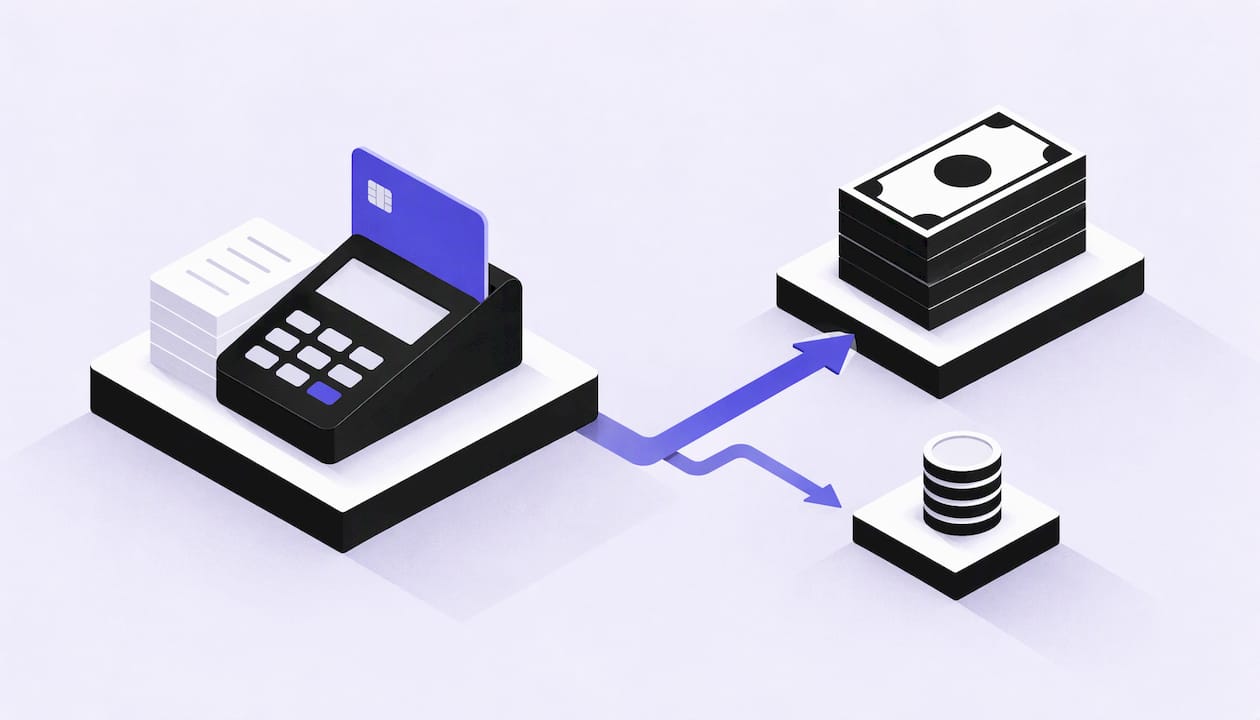
Level 3 processing means sending line-item invoice detail (product codes, descriptions, quantities, unit prices, units of measure) along with a commercial, purchasing or government card payment, so the transaction can qualify for a lower interchange rate than a standard commercial card sale. It applies to B2B and B2G sales on business cards, not to consumer cards. The savings are real but bounded: they depend on your eligible card volume, on data accuracy, and since 2025 on Visa’s new verification rules, covered below.
If you sell to businesses, agencies or government buyers and accept cards, this is one of the few levers that cuts cost per transaction without touching your pricing to customers.
Every card transaction carries a basic message: amount, date, merchant and card number. Level 2 and Level 3 are optional layers of extra data that ride along with it. Mastercard’s own gateway documentation describes it plainly: Level 3 includes Level 2 data plus line item details, and supplying that data on business, corporate or purchase cards can qualify a transaction for better interchange rates.
The reasoning on the network side is risk and reconciliation. A transaction that arrives with a purchase order number, a tax amount and a matching itemized invoice looks like a real commercial purchase between known parties. Buyers’ accounts payable teams also get the detail they need to match payments to invoices, which is why large buyers and agencies favor suppliers who send it.
Three tiers are commonly described:
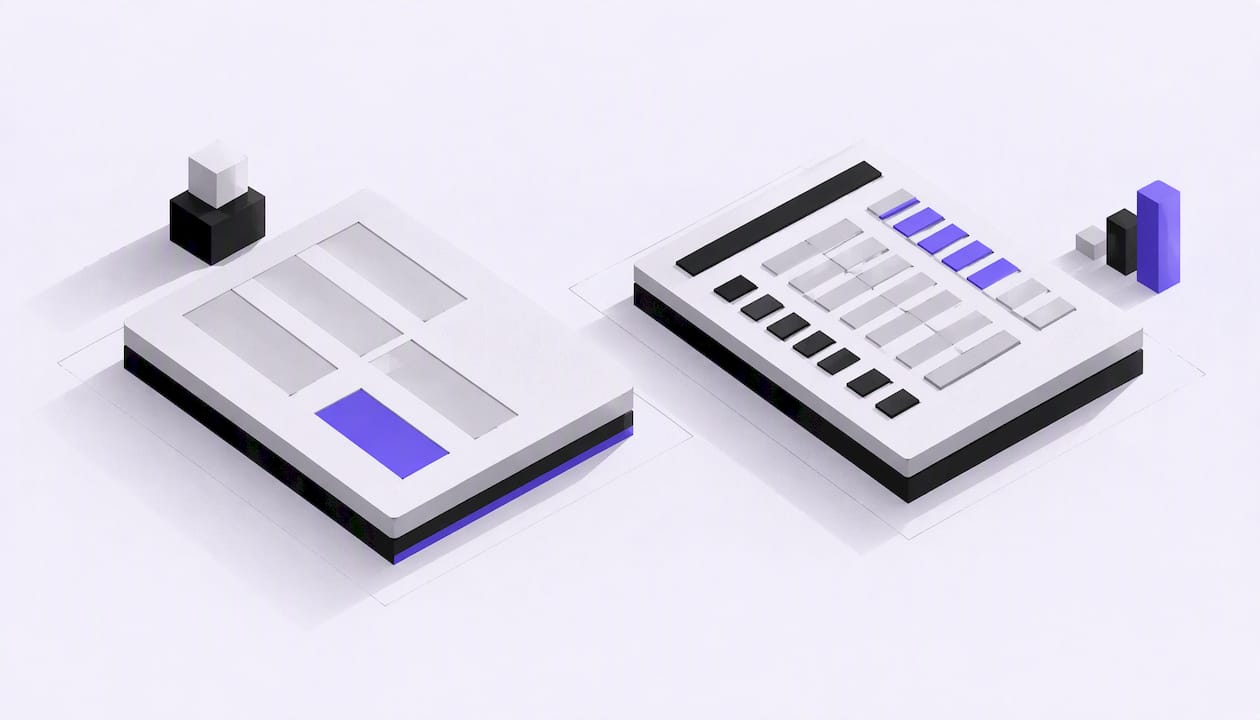
| Tier | What it adds | Typical use |
|---|---|---|
| Level 1 | Amount, date, merchant and basic card data | Every card sale, including consumer cards |
| Level 2 | Customer reference or PO number, sales tax amount, sometimes tax ID and merchant postal code | Commercial and purchasing cards |
| Level 3 | Everything in Level 2 plus line items: product code, description, quantity, unit of measure, unit cost, discount, freight and duty | Large-ticket B2B and B2G invoices |
The exact field list differs by card brand and by processor, so treat the table as the general pattern rather than a specification.
For years the difference was simple. Level 2 required a few header fields and earned a modest interchange reduction. Level 3 required itemized detail and earned a deeper one. Plenty of older guides, including some that still rank, describe that two-tier world.
Visa has changed it for U.S. commercial cards. According to the Merchant Advisory Group’s summary of Visa’s brand release updates, Visa began Commercial Enhanced Data Program (CEDP) participation fees on April 11, 2025, introduced verified or unverified status on October 17, 2025, and planned to phase out commercial Level 2 (except Visa Commercial Fuel) on April 17, 2026.
In practical terms:
Mastercard and other networks have their own programs, and the terminology differs. If your portfolio is mostly Visa commercial cards, the CEDP rules are the ones to build around. For a side-by-side breakdown of the older tiers, see our guide to Level 2 vs. Level 3 processing.
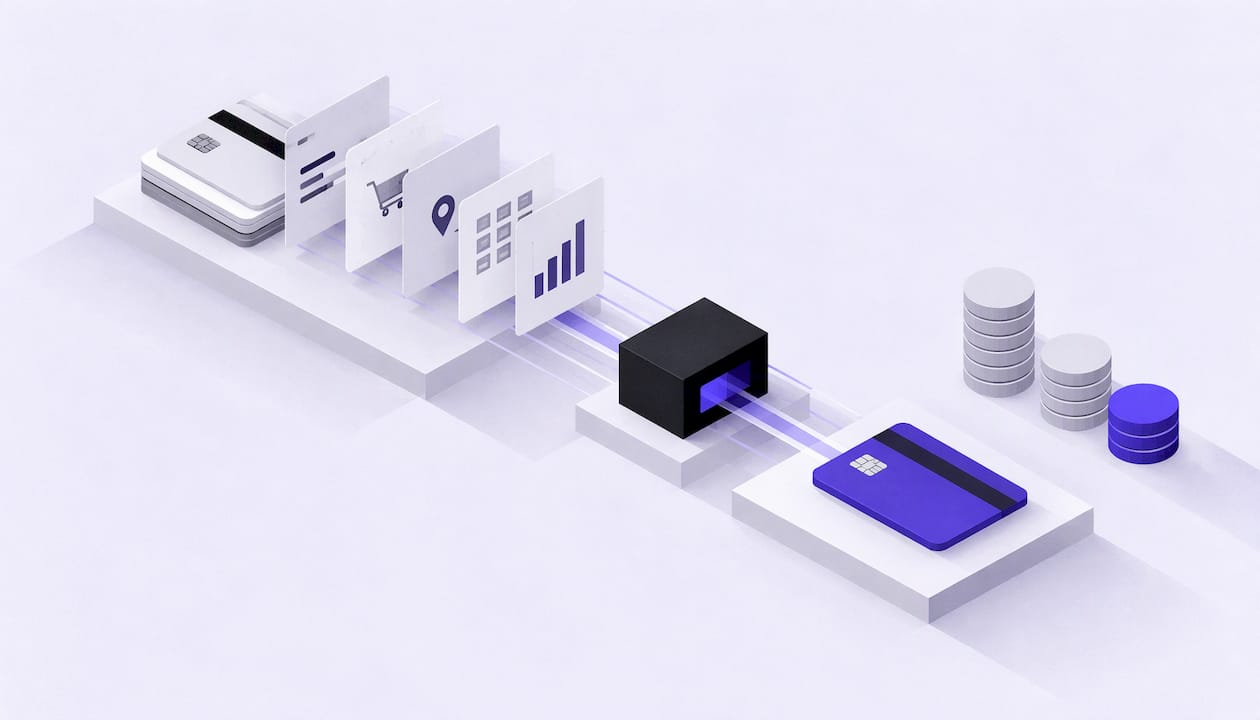
The core of Level 3 is the line-item block. Processors and gateways generally ask for some version of these fields:
Two accuracy rules matter more than any single field:
Note also that the gateway you use usually does not police any of this for you. Mastercard’s documentation states that the payment service provider does not validate whether the data meets card scheme requirements for specific interchange rates. Validation happens downstream, so your own data quality controls are what protect the rate.
Level 3 interchange applies to commercial card types, not to consumer credit or debit. Those include purchasing cards (P-cards), corporate cards, fleet-style cards in some programs, and government purchase cards. A sale must also be a legitimate business or government purchase, and the card must be recognized as a commercial product when the issuer’s BIN is checked.
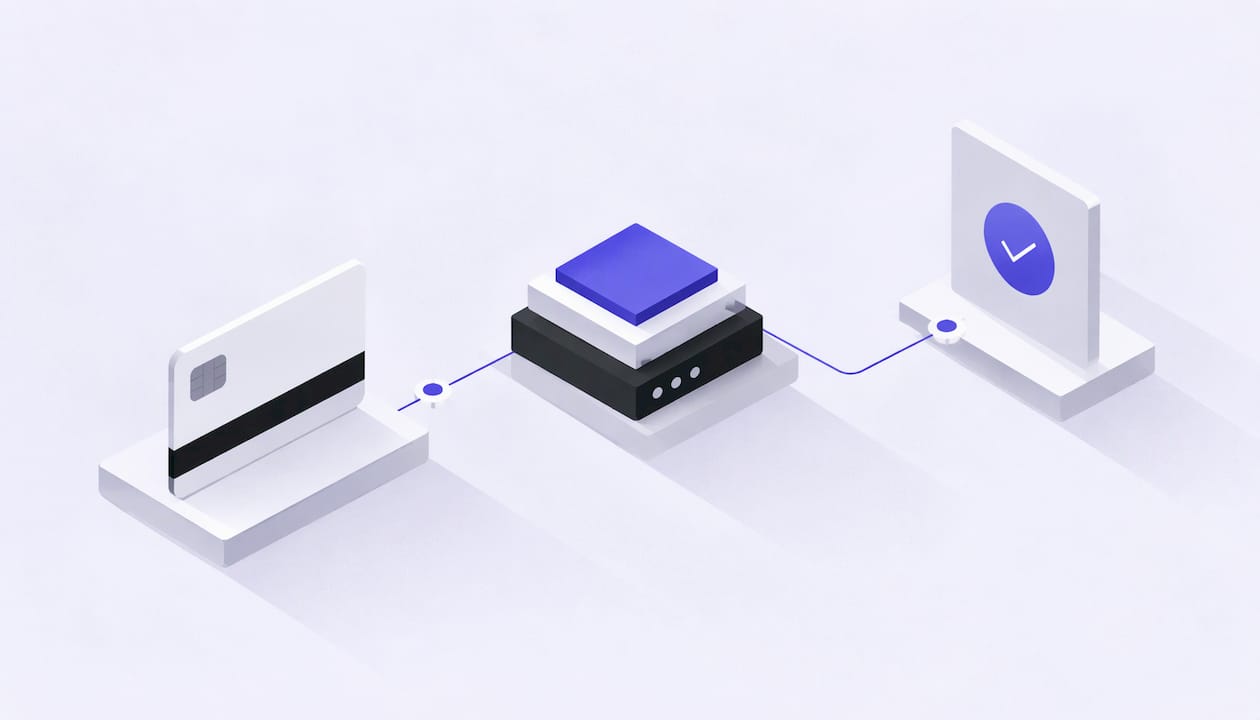
That last point is why many merchants miss savings. A transaction does not announce that it is a commercial card to your billing system. Your gateway or processor has to identify the card type from the BIN and then trigger the right data requirements for that transaction. If it applies Level 3 fields to every sale, you waste effort. If it applies none, you leave rates on the table.
Typical beneficiaries include:
When a merchant sends Level 3 data and still pays standard commercial interchange, the cause is usually one of these:
The fix is almost always at the integration or data-governance level, which is why setup deserves as much attention as the rate card.
Be wary of any blanket promise. Rates differ by card brand, card product, ticket size, industry and merchant status. Some figures that are grounded in published sources:
The gap between those two data points shows why you should model your own numbers. The same payments reference recommends calculating savings from your eligible volume and the actual interchange rows, rather than applying a flat percentage to all B2B revenue. A workable method:
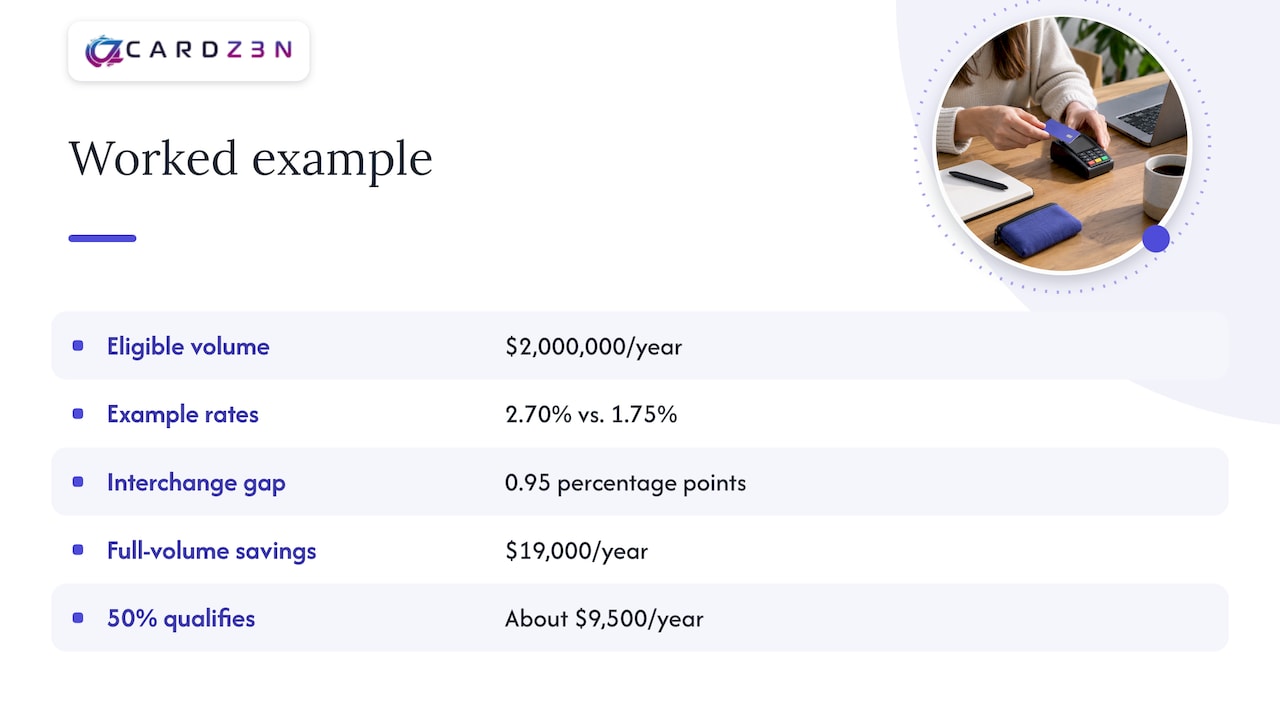
Suppose a distributor runs $2,000,000 a year in eligible commercial card volume, paying the 2.70% card-not-present commercial example rate. At the 1.75% Product 3 example, the interchange gap is 0.95 percentage points, or $19,000 a year before assessments and processor markup. Now imagine only half the volume qualifies because many lines fail reconciliation: the savings fall to about $9,500. Same merchant, same cards, half the benefit, which is why data quality is the real lever. These are illustrative numbers built from the published example rows above, not a quote or a forecast for your business.
The data usually lives in your ERP, invoicing platform or order system. It needs a clean path to the processor.
For card-not-present B2B payments, pair this with ACH or eCheck options so buyers who prefer to pay by bank transfer are not forced onto cards. Our overview of B2B payment processing rails, costs and controls explains how the rails fit together, and the Level 3 data processing guide walks through the fee mechanics in more detail.
Level 3 is one piece. Rates also depend on MCC, ticket size, settlement timing, and how your processor structures its pricing. A merchant on blended or tiered pricing may never see an interchange reduction at all, because the lower rate gets absorbed into a flat figure. Interchange-plus pricing makes the benefit visible, and our write-up on interchange optimization with Visa IDX covers how to pair the two.
If you also process in other markets, the same concepts apply with local differences. We maintain separate guidance for B2B and B2G payments in Canada and the UK, where the commercial card rules are not identical to the U.S. programs described here.
Most merchants we speak with treat Level 3 as a checkbox on the processor’s feature list. In practice it is a data discipline. The rate follows from whether your invoice data is clean, complete and reconciled, and from whether your processing stack passes it through untouched.
We built CARDZ3N for B2B, B2G and high-risk merchants that mainstream processors handle poorly, and that includes aerospace MROs, FBOs and OEMs, government contractors and ISVs. For those merchants, hands-on underwriting support, multi-bank approval resilience and clear, quote-based pricing and reserve terms matter as much as the interchange row. A lower rate means little if the account is unstable or the pricing structure hides the savings.
Our advice is to start with your own data: find which transactions are commercial cards, find why any of them miss the lower rate, and fix the integration before you negotiate anything. Then make sure your processor can show you the detail behind every line of your statement.
Joshua Benedetti
If you take cards from business and government buyers, our B2B and B2G payment processing service is built around Level 2 and Level 3 data, ACH and eCheck processing, and a virtual terminal, backed by sponsor banks. Pricing is quote-based, so send us your volume and card mix and we will scope it with you. If your business has been declined or shut down elsewhere, our high risk merchant account team can place you with an approach suited to your industry.
Level 2 adds header-level fields such as a PO number and sales tax amount to a commercial card payment. Level 3 includes those fields plus line-item detail like product codes, quantities and unit prices. On Visa commercial cards in the U.S., Level 2 programs were scheduled to be phased out in April 2026, so the line-item approach under CEDP is where the incentive now sits.
No. It applies to commercial cards, such as purchasing, corporate and government cards. A consumer card will not receive Level 3 interchange regardless of how much data you send, so your gateway needs to identify the card type by BIN before applying data requirements.
It depends on your eligible volume, card products and data quality. Published interchange examples show a gap of roughly one percentage point between some standard commercial rows and Product 3 rows, but processor markup and Visa assessments also apply. Model it on your own commercial card volume rather than your total B2B revenue.
It is the lower interchange rate card networks assign to qualifying commercial card transactions that carry complete, accurate line-item data. Interchange is the fee paid to the card issuer, and it is a component of what you pay your processor, alongside markup and network assessments.
Map your invoice fields to your gateway’s line-item fields, automate population from your ERP or billing system, validate that totals reconcile, and review interchange reports monthly. Your processor needs to support Level 3 submission for each network you accept.
Every merchant's processing setup is different, so the right answer depends on your industry, sales channels, average ticket size and chargeback history. CARDZ3N's payments specialists review those details with you and match your business with the right sponsor bank, gateway and risk tools, whether you sell online, in store, by invoice or on a recurring subscription.
We work with merchants across the USA, Canada, the UK and the EU, including high-risk, B2B and fast-growing businesses that traditional processors often turn away. If you would like a second opinion on your current rates, contract terms or approval options, contact our team for a free, no-obligation processing review.
Joshua Benedetti is the CEO of CARDZ3N, a Las Vegas-based merchant services provider specializing in high-risk payment processing and B2B payment technology.
Joshua Benedetti on LinkedInCARDZ3N Inc is headquartered in Las Vegas, Nevada, and provides merchant services to businesses that traditional processors turn away. Backed by top-tier sponsor banks and processors, CARDZ3N combines institutional stability with the speed of a specialized team that understands high-risk industries. Services include high-risk account underwriting and placement, gateway solutions across the major gateway platforms, POS integrations, ACH and check processing, chargeback prevention through ChargebackZ3N, and business lending and working capital. Its AerospacePay division serves OEMs, MROs, FBOs, and repair stations with B2B and B2G payment processing. CARDZ3N serves merchants in the USA, Canada, the UK, and the EU.
Start protecting your revenue from chargebacks today — schedule your complimentary consultation with CARDZ3N’s dispute management specialists.