 CARDZ3N — Home
Contact us today for personalized advice and strategic solutions tailored to your goals.

Call us
+1 (702)-623-3528









FluidPay is a payment gateway platform used by payment companies and merchants to accept card payments. If you are searching for FluidPay or Fluid Pay, this guide covers what a platform like it does and what to evaluate before you choose a gateway.
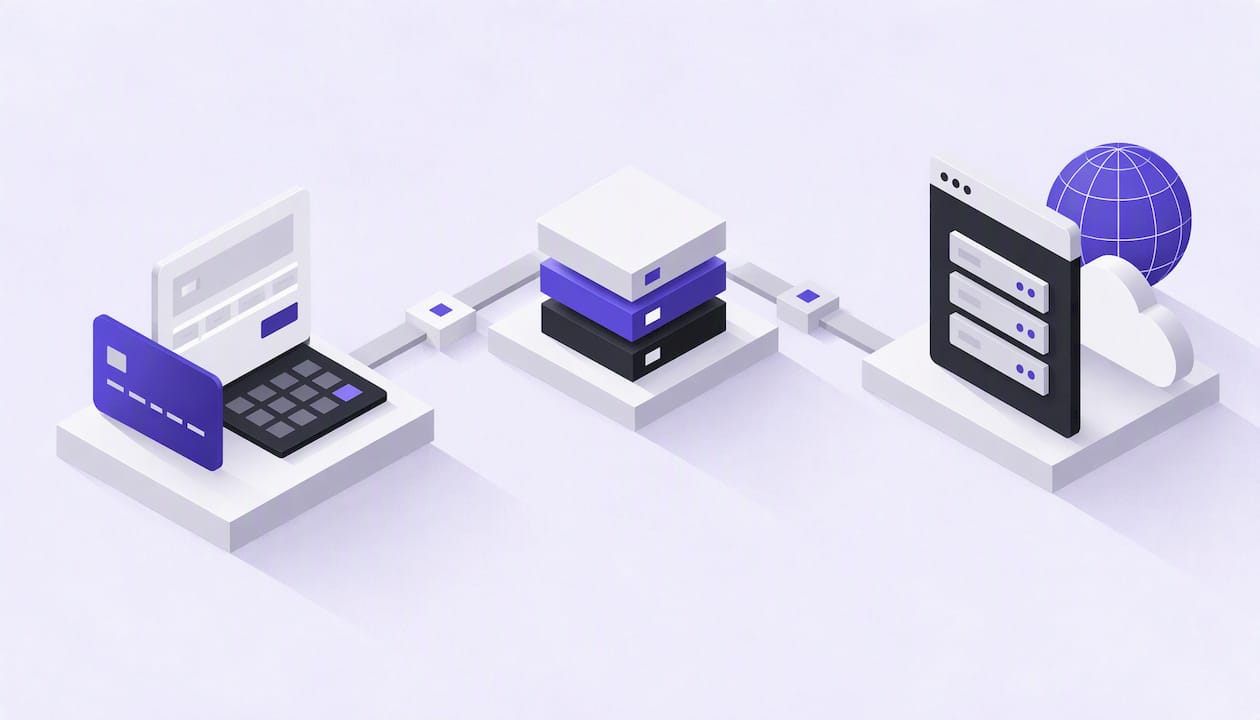
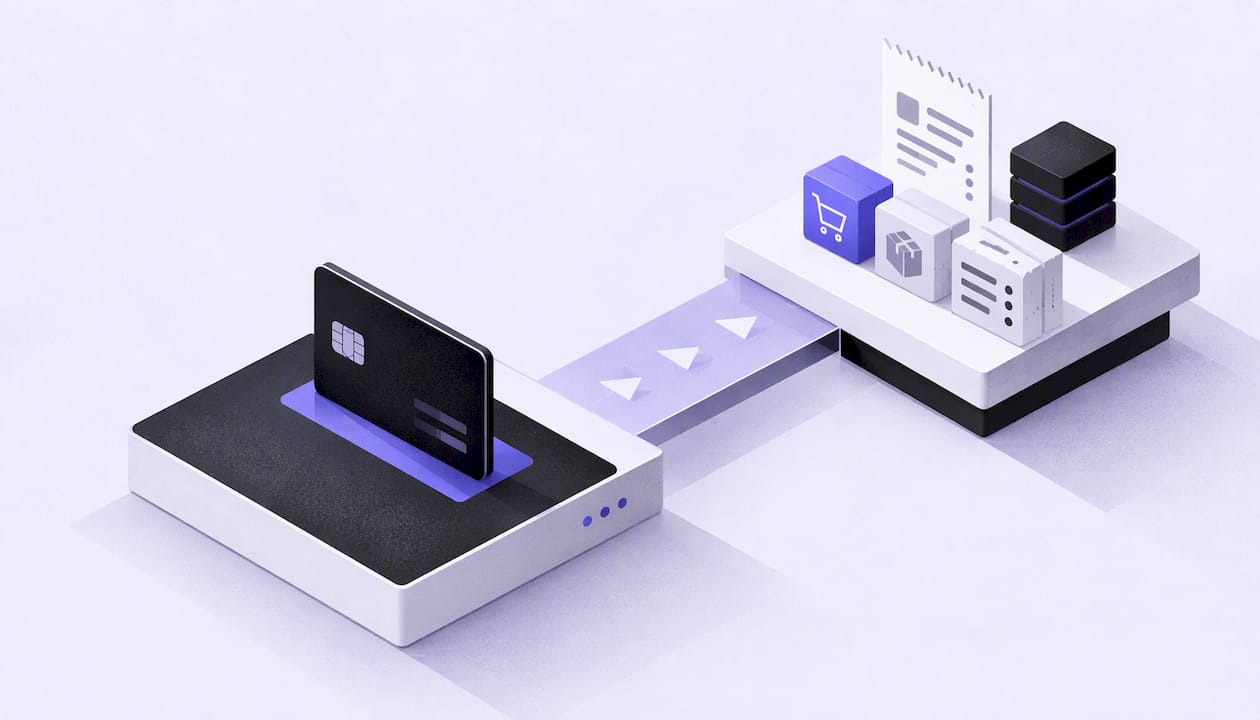
A gateway captures card details at checkout, a virtual terminal or an in-person device and sends them to a processor for authorization. It returns the result to your system, stores tokens for repeat billing and provides reporting. Your merchant account, which holds your funds, is a separate piece.
Check integrations with your shopping cart, software or point of sale. Ask about recurring billing, card on file tokenization and account updater. Compare which processors and acquiring banks the gateway works with, and whether your merchant account provider supports it. Review the fraud tools included, such as AVS, CVV and 3D Secure, and ask how pricing and support work, since both can differ by reseller.
The gateway and the merchant account have to work together. Some combinations restrict certain industries, so confirm acceptance for your business type before you integrate. For higher-risk businesses, see our high-risk payment solutions. For a broader comparison, read our NMI payment gateway guide.
Ask how long migration takes, whether stored card tokens can move with you, what the contract and cancellation terms are, and how declines and chargebacks are reported. Read about friendly fraud and chargeback representment so you can match gateway reporting to your dispute process.
It is generally described as a payment gateway and processing platform. Confirm the exact setup with your provider.
Yes, in most cases you need a merchant account to receive funds.
It depends on the processor and merchant account behind it. Confirm acceptance for your industry first.
Both are gateway platforms. They differ in integrations, partners and pricing structures, so compare them against your own checkout and processor requirements.
Every merchant's processing setup is different, so the right answer depends on your industry, sales channels, average ticket size and chargeback history. CARDZ3N's payments specialists review those details with you and match your business with the right sponsor bank, gateway and risk tools, whether you sell online, in store, by invoice or on a recurring subscription.
We work with merchants across the USA, Canada, the UK and the EU, including high-risk, B2B and fast-growing businesses that traditional processors often turn away. If you would like a second opinion on your current rates, contract terms or approval options, contact our team for a free, no-obligation processing review.
Joshua Benedetti is the CEO of CARDZ3N, a Las Vegas-based merchant services provider specializing in high-risk payment processing and B2B payment technology.
Joshua Benedetti on LinkedInCARDZ3N Inc is headquartered in Las Vegas, Nevada, and provides merchant services to businesses that traditional processors turn away. Backed by top-tier sponsor banks and processors, CARDZ3N combines institutional stability with the speed of a specialized team that understands high-risk industries. Services include high-risk account underwriting and placement, gateway solutions across the major gateway platforms, POS integrations, ACH and check processing, chargeback prevention through ChargebackZ3N, and business lending and working capital. Its AerospacePay division serves OEMs, MROs, FBOs, and repair stations with B2B and B2G payment processing. CARDZ3N serves merchants in the USA, Canada, the UK, and the EU.
Start protecting your revenue from chargebacks today — schedule your complimentary consultation with CARDZ3N’s dispute management specialists.