
 CARDZ3N — Home
Contact us today for personalized advice and strategic solutions tailored to your goals.

Call us
+1 (702)-623-3528




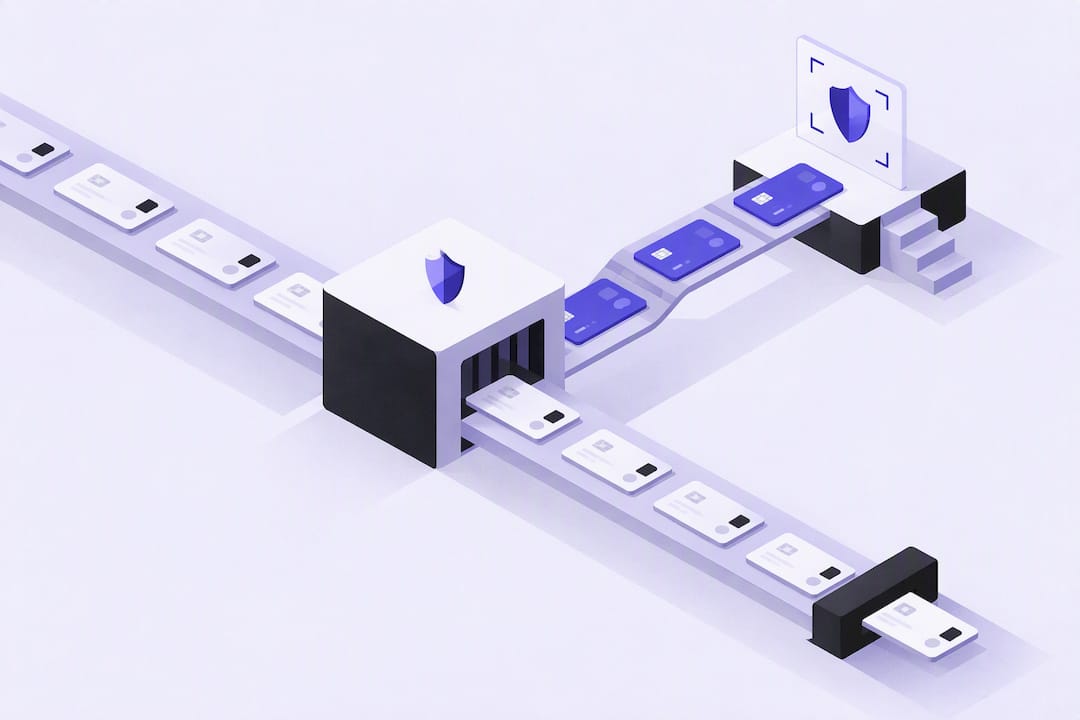





When a payment fails with an issuer decline, the bank that issued the customer's card refused the transaction. The merchant account, gateway and processor did their job; the decision came from the cardholder's bank. This guide explains issuer decline meaning, common causes and how to respond.
Issuer decline means the card-issuing bank rejected the authorization request. Every card payment is sent to the issuer, who approves or declines based on its own rules, such as available funds, fraud signals and card status. The reply travels back through the network to your gateway.
An issuer declined message is often generic. Issuers frequently return a general response so that fraudsters learn little. That is why the same code can mean different things. Our card decline codes glossary explains common codes such as 05 and 57.
An issuer decline for a debit consumer card often comes down to balance, daily spending limits or a fraud hold. Debit authorizations draw directly on the cardholder's account, so a low balance or an outstanding hold on the account can trigger the response. Asking the customer to contact their bank or try another payment method usually resolves it.
Issuer declines differ from processor or gateway errors, such as invalid merchant setup or a format failure. If many declines point to the same cause, review your chargeback prevention and fraud settings.
No. The decision comes from the customer's bank, although merchant practices can influence how issuers view a transaction.
Avoid repeated automatic retries. Ask the customer to confirm details or use another method.
It indicates the authorization was refused by the issuing bank rather than failing for a technical reason.
Every merchant's processing setup is different, so the right answer depends on your industry, sales channels, average ticket size and chargeback history. CARDZ3N's payments specialists review those details with you and match your business with the right sponsor bank, gateway and risk tools, whether you sell online, in store, by invoice or on a recurring subscription.
We work with merchants across the USA, Canada, the UK and the EU, including high-risk, B2B and fast-growing businesses that traditional processors often turn away. If you would like a second opinion on your current rates, contract terms or approval options, contact our team for a free, no-obligation processing review.
Joshua Benedetti is the CEO of CARDZ3N, a Las Vegas-based merchant services provider specializing in high-risk payment processing and B2B payment technology.
Joshua Benedetti on LinkedInCARDZ3N Inc is headquartered in Las Vegas, Nevada, and provides merchant services to businesses that traditional processors turn away. Backed by top-tier sponsor banks and processors, CARDZ3N combines institutional stability with the speed of a specialized team that understands high-risk industries. Services include high-risk account underwriting and placement, gateway solutions across the major gateway platforms, POS integrations, ACH and check processing, chargeback prevention through ChargebackZ3N, and business lending and working capital. Its AerospacePay division serves OEMs, MROs, FBOs, and repair stations with B2B and B2G payment processing. CARDZ3N serves merchants in the USA, Canada, the UK, and the EU.
Start protecting your revenue from chargebacks today — schedule your complimentary consultation with CARDZ3N’s dispute management specialists.