 CARDZ3N — Home
Contact us today for personalized advice and strategic solutions tailored to your goals.

Call us
+1 (702)-623-3528









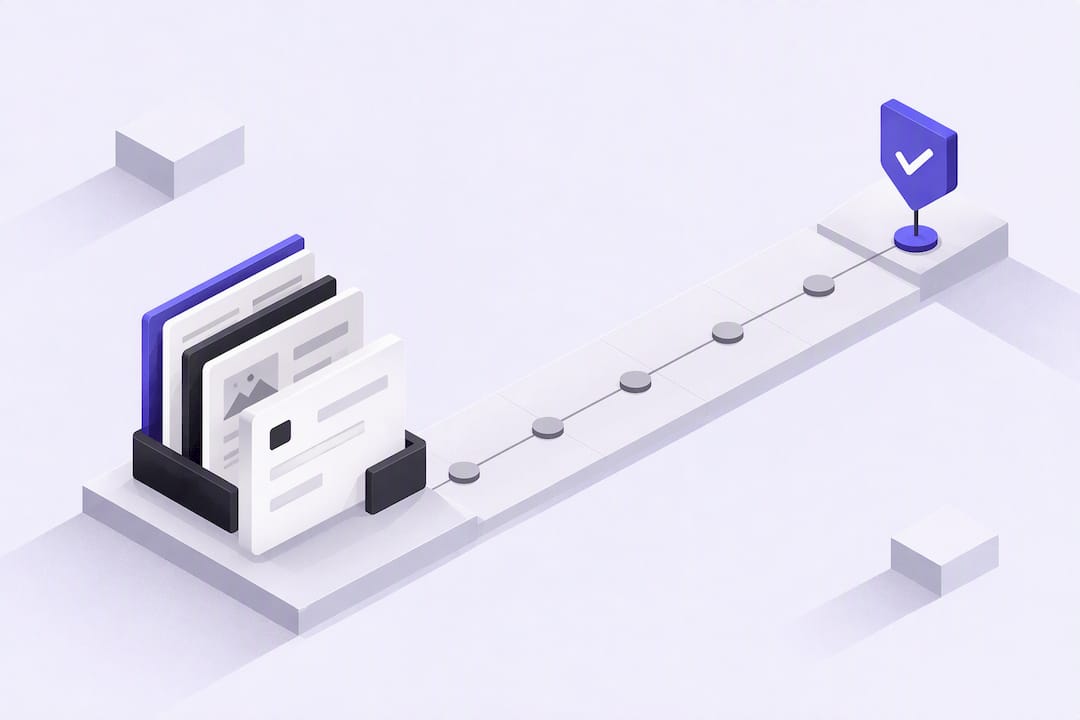
Check 21 lets a bank treat a properly prepared check image or substitute check as the legal equivalent of the original paper check. That single rule replaced physical check transportation with image-based clearing across the U.S. banking system. For businesses and treasury teams, the operational payoff is faster posting and fewer courier delays, but it comes with a new obligation: image quality and exception handling now sit on your side of the ledger.
Congress signed the Check Clearing for the 21st Century Act on October 28, 2003, and it took effect exactly one year later, on October 28, 2004. Before that date, a bank generally had to move the original paper check through the clearing system to collect payment. Check 21 eliminated that requirement by creating the substitute check, also called an Image Replacement Document (IRD): a paper reproduction of the front and back of a check, printed from the digital image, that carries the same legal weight as the original under the Federal Reserve’s Check 21 guidance.
That legal equivalence is the entire mechanism. A bank can truncate the original item at the first point of deposit, generate an image, and never physically move the paper again. Regulation CC governs the disclosure and consumer protection framework layered on top of this rule, including:
Regulation CC disclosures matter operationally because they set the clock on consumer claims discussed later in this article.
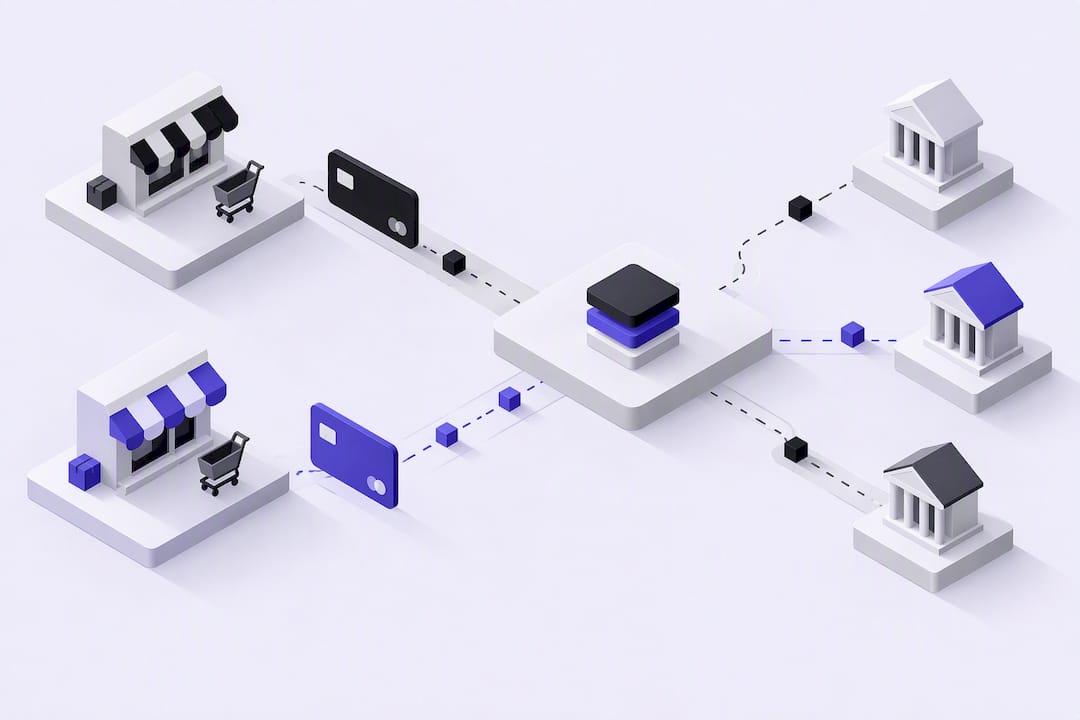
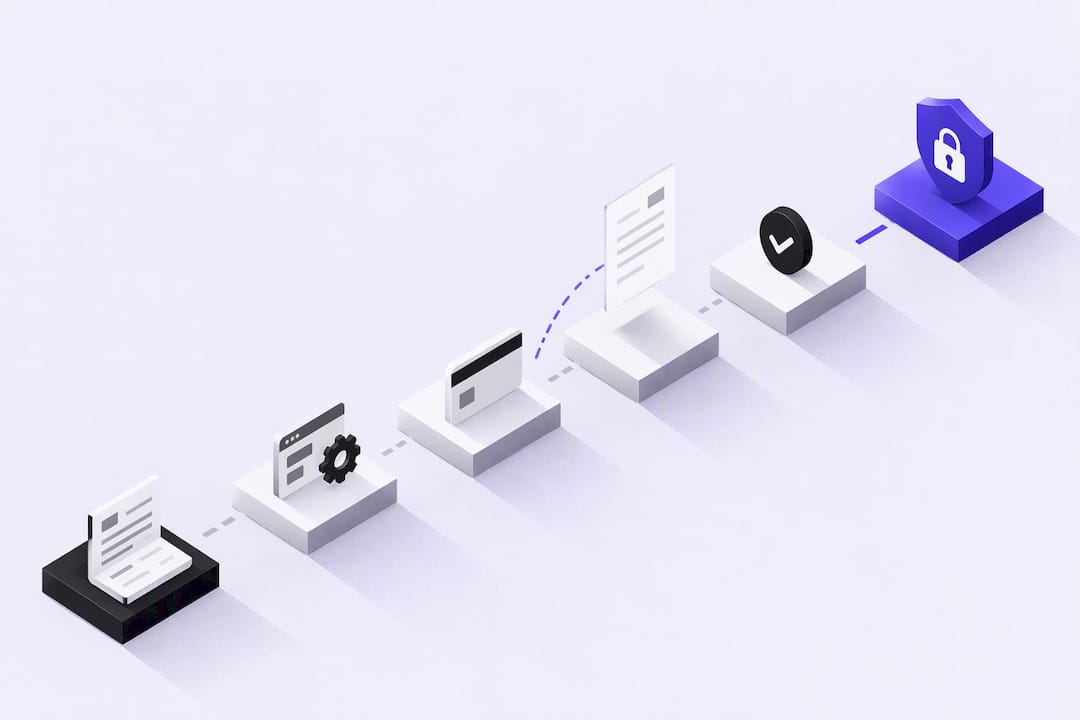
Image-based clearing starts the moment a check is captured, not when it reaches the paying bank. Capture happens at several points: a merchant’s remote deposit capture scanner, a teller line, an ATM, or a mobile banking app photographing both sides of the check. Each capture creates a digital front and back image plus MICR line data pulled from the check itself.
Pro Tip: Keep a log of every reconversion event. If a downstream dispute ever surfaces, you’ll need to show exactly when and why an image became paper again.
Most image-based checks clear faster than the old paper system ever could, but “faster” isn’t a fixed number. In common industry experience, items typically post anywhere from next business day to a few business days, depending on where in the cycle the check sits.
Several variables push that window wider or narrower:
ACH settles on a different rail entirely. Check 21 moves check images; ACH moves electronic debits and credits with no physical or image-based instrument involved, and the Federal Reserve treats the two as distinct systems with different fraud-control profiles. For recurring, high-volume payments where timing predictability matters more than instrument flexibility, ACH usually wins on consistency.
Returns under Check 21 follow a coded structure, not a phone call. A returning bank attaches return reason codes and return addenda records to the ICL, flagging issues like insufficient funds, a closed account, or a stop payment. The FRBServices Check 21 FAQ walks through the operational remedies available once a return or dispute surfaces:
Electronic indorsements carry the same legal weight as ink signatures, but a missing or malformed indorsement is one of the most common reasons an item gets kicked back for rework.
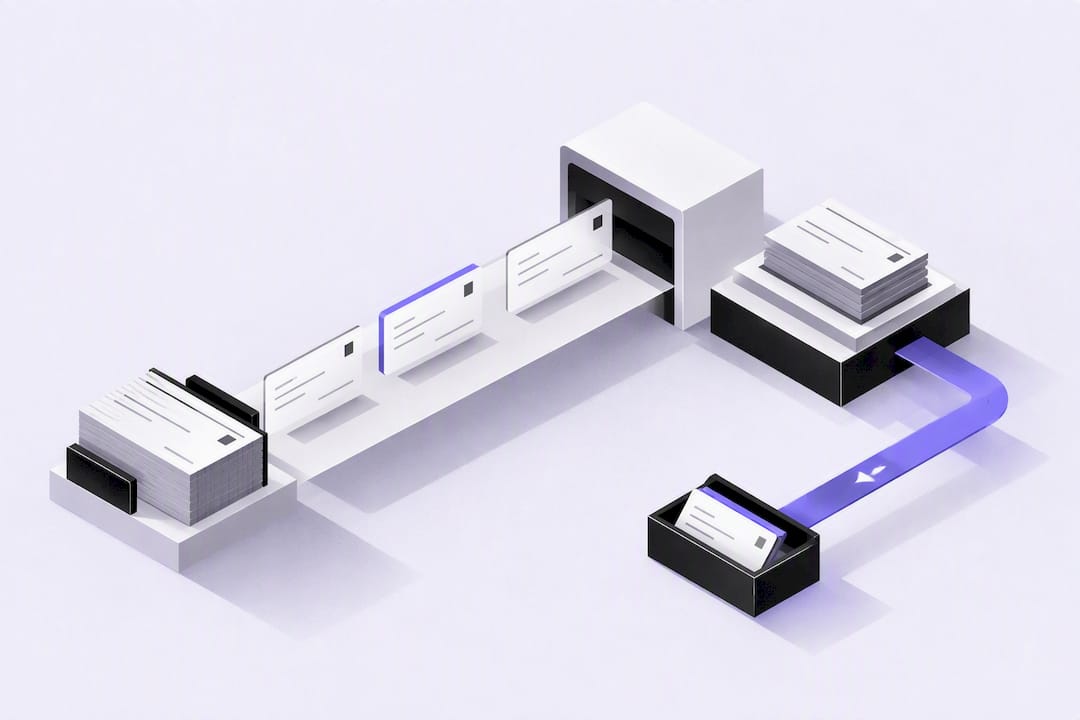
Every ICL file follows the DSTU X9.37 standard, now folded into the broader X9.100-187 family, which defines how check images, MICR data, and item records get packaged for exchange. The Federal Reserve’s technical documentation lays out the record types and image quality assurance (IQA) rules that keep files interoperable across thousands of financial institutions.
IQA testing catches problems before they cause a downstream rejection:
The Federal Reserve offers three primary Check 21-enabled services: FedForward for depositing items into the Fed’s exchange network, FedReturn for sending returned items back to the depositing bank, and FedReceipt for receiving presented items. Institutions connect through FedLine, either as a direct connection or through a correspondent, to exchange these files reliably.
Check imaging still earns its place for occasional B2B payments, security deposits, or transactions where a physical proof-of-payment record matters to a vendor or auditor. ACH tends to win for recurring billing, payroll, and high-volume flows where predictable settlement and built-in fraud controls matter more than instrument flexibility, a distinction the Federal Reserve draws explicitly. If your business runs both, an ACH and eCheck processing setup alongside your check acceptance tools covers more payment scenarios than either rail alone.
Running image-based clearing reliably takes real infrastructure investment, not just a scanner:
Before you commit to running this in-house, run through a short readiness checklist: confirm your capture software tracks IQA scores per batch, build a documented return workflow with named owners, and set a reconciliation cadence that matches your deposit volume rather than an arbitrary monthly cycle.
Pro Tip: If you’re processing fewer than a few dozen checks a month, the infrastructure cost of running compliant image capture in-house rarely pencils out against outsourcing it to a payments processor that already carries FedLine connectivity.
For businesses juggling both consumer and vendor payment types, understanding how B2B payments differ from consumer payments helps clarify which rail fits which transaction category.
Reconciliation for image-based check processing runs on a different rhythm than paper ever did, mostly because the posting date and the physical deposit date can diverge by a day or more depending on cutoff timing. Your accounting team needs to match three separate data points for every item: the ICL batch number, the Fed or vendor settlement date, and the internal deposit reference your capture software generated.
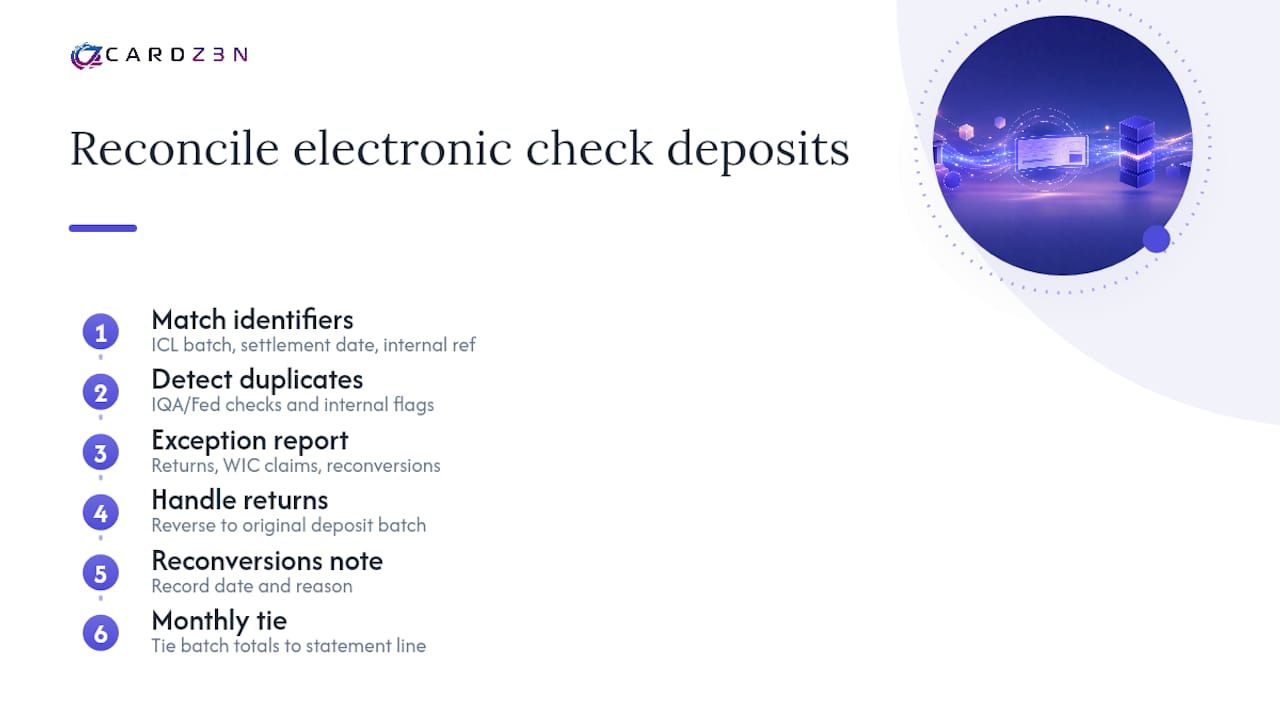
The biggest reconciliation risk isn’t a missing check, it’s a duplicate posting. Because ICL files can theoretically be resubmitted, IQA duplicate detection catches most cases at the Fed level, but internal controls should still flag any item posted twice against the same account and check number. Build a daily exception report that isolates items awaiting return codes, items pending WIC claims, and items reconverted to substitute checks, since each category needs a different accounting treatment.
Returned items require a reversing entry tied to the original deposit batch, not a fresh debit, or your books will show the deposit twice while the bank shows it once. Substitute check reconversions need a note in your records identifying the date and reason, since that paper trail becomes your evidence if a warranty dispute surfaces months later. Monthly bank reconciliation should tie your ICL batch totals to the bank statement’s aggregate check deposit line, not to individual items, because most banks report Check 21 deposits as batch totals rather than line-by-line entries.
Check 21 turned check clearing into a software and data-quality problem, not a courier problem. Businesses running ACH, eCheck, and gateway integrations under one processor tend to catch image-quality and return issues faster than those managing capture, exceptions, and reconciliation across separate vendors. CARDZ3N’s work across ACH, eCheck processing, and chargeback exception handling reflects why treasury teams increasingly want one partner who understands both electronic check rails and card-based dispute management.
— Joshua Benedetti
Running compliant image capture, ICL exchange, and return handling in-house is a real infrastructure commitment, one most businesses don’t need to carry alone. CARDZ3N builds ACH and eCheck processing into merchant accounts already backed by top-tier sponsor banks, so you get electronic check capabilities without stitching together capture software, FedLine access, and exception workflows yourself. Pricing is provided on a quote basis, allowing you to understand costs before committing. If your business handles B2B invoices, recurring vendor payments, or check volume mixed with card transactions, talk to CARDZ3N about a merchant account setup that covers both rails under one integration.
A check “processing” under Check 21 means the item has been captured as an image and is moving through the ICL exchange network toward the paying bank for posting. It hasn’t cleared yet, meaning funds could still be reversed if the paying bank returns the item for insufficient funds or another coded reason.
Check 21 was signed into law on October 28, 2003, and took effect on October 28, 2004. That date is when banks nationwide gained the legal authority to treat substitute checks as equivalent to original paper checks.
A bank must provide its Regulation CC substitute check disclosure at account opening and, for consumer accounts, before or at the time the bank first provides a substitute check to that customer. The disclosure explains the consumer’s rights, including the expedited recredit claim process.
Image-based check processing commonly posts within one to a few business days, depending on deposit cutoff times, Fed presentment deadlines, and whether the item gets returned. ACH transactions follow a separate timing schedule and are often preferred for recurring payments where settlement predictability matters more than flexibility.
Every merchant's processing setup is different, so the right answer depends on your industry, sales channels, average ticket size and chargeback history. CARDZ3N's payments specialists review those details with you and match your business with the right sponsor bank, gateway and risk tools, whether you sell online, in store, by invoice or on a recurring subscription.
We work with merchants across the USA, Canada, the UK and the EU, including high-risk, B2B and fast-growing businesses that traditional processors often turn away. If you would like a second opinion on your current rates, contract terms or approval options, contact our team for a free, no-obligation processing review.
Joshua Benedetti is the CEO of CARDZ3N, a Las Vegas-based merchant services provider specializing in high-risk payment processing and B2B payment technology.
Joshua Benedetti on LinkedInCARDZ3N Inc is headquartered in Las Vegas, Nevada, and provides merchant services to businesses that traditional processors turn away. Backed by top-tier sponsor banks and processors, CARDZ3N combines institutional stability with the speed of a specialized team that understands high-risk industries. Services include high-risk account underwriting and placement, gateway solutions across the major gateway platforms, POS integrations, ACH and check processing, chargeback prevention through ChargebackZ3N, and business lending and working capital. Its AerospacePay division serves OEMs, MROs, FBOs, and repair stations with B2B and B2G payment processing. CARDZ3N serves merchants in the USA, Canada, the UK, and the EU.
Start protecting your revenue from chargebacks today — schedule your complimentary consultation with CARDZ3N’s dispute management specialists.