 CARDZ3N — Home
Contact us today for personalized advice and strategic solutions tailored to your goals.

Call us
+1 (702)-623-3528




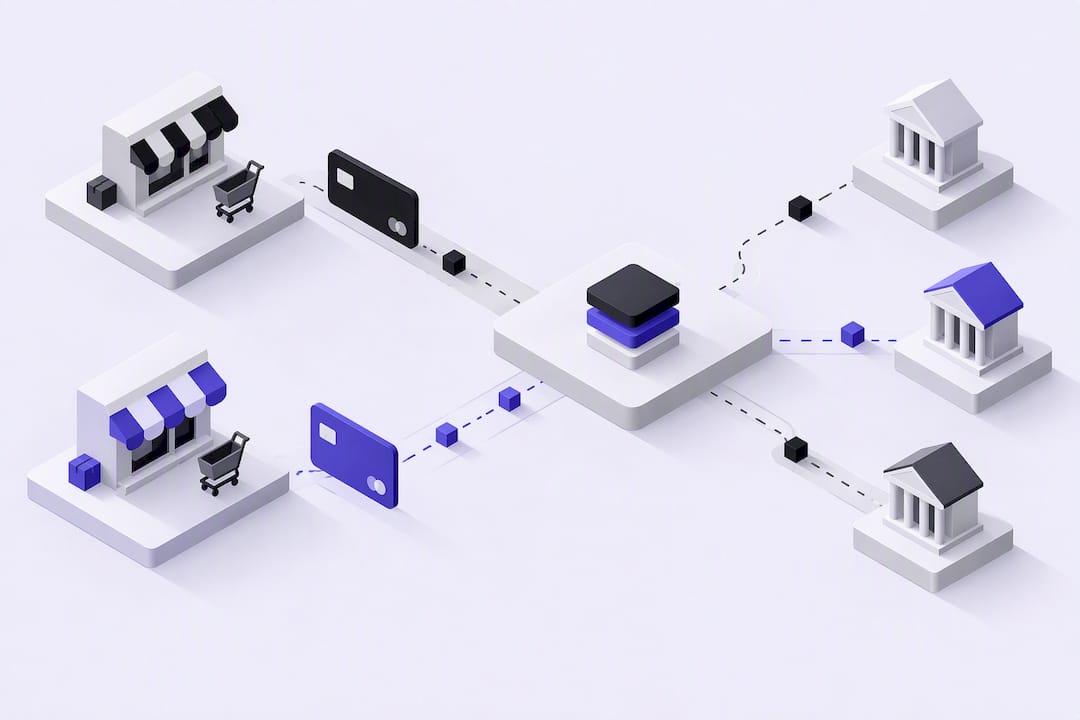





Marketplace split payments let you route a single buyer transaction to multiple recipients, typically a platform fee, one or more sellers, and sometimes a tax reserve. For most marketplaces, the safest default is an orchestration model with delayed routing: you hold funds briefly, confirm order status, then release payouts with KYC and tax data already captured. Before writing any code, evaluate who holds custody and what your KYC and tax reporting obligations will be.
Three models dominate marketplace architecture, and the difference between them is custody: who controls the money between charge and payout, and who instructs the final settlement.
Each model trades speed against regulatory exposure and reconciliation complexity. Direct split is fast but can complicate refund logic since funds already sit in separate accounts. Delayed routing gives you more control over chargebacks and seller performance but adds latency sellers will notice. Payout-only offers the most flexibility for scheduling and fee logic but requires you to build your own ledger from scratch. FinCEN’s administrative rulings make clear that none of these labels, including “escrow,” automatically determines regulatory treatment; custody and contract terms do that work.
Once you pick a flow, you need rules that decide how much each party receives. Most marketplaces combine more than one method rather than relying on a single formula.
Pro Tip: Build your allocation engine to store the rule set applied at transaction time, not just the final amounts, so you can reconstruct exactly how a historical split was calculated during a dispute.
Your two primary options are provider-level splits, where the payment processor handles routing natively, and an orchestration layer you build or buy that sits between checkout and payout. Provider-level splits reduce engineering overhead but limit you to whatever allocation logic the processor supports. An orchestration layer costs more to build but gives you full control over timing, holds, and multi-party rules, which matters once your marketplace handles disputes or regulated verticals.
Every step needs idempotency keys and correlation IDs tying the charge, splits, and payouts together, since webhook retries are common and duplicate processing is the most frequent source of ledger errors. Test each flow against delayed, duplicate, and out-of-order webhook delivery before launch, not just the happy path.
Payout timing is a liquidity decision as much as a technical one. Instant payouts improve seller satisfaction but reduce your buffer against refunds and chargebacks. Scheduled payouts (daily or weekly batches) give you a predictable reserve window. Rolling payouts, where a percentage of each seller’s balance is held back on a rolling basis, balance the two but add ledger complexity.
The architecture choices above are not just engineering decisions, they determine your regulatory exposure. FinCEN treats money-transmitter classification as fact-specific rather than label-driven: whether acceptance and transmission of funds is integral to your transaction-management service, or a discrete activity on its own, shapes the outcome more than whether you call your flow “escrow” or “split payment.”
The threshold that triggers mandatory seller data collection under the INFORM Consumers Act is 200 sales or $5,000 in gross revenue in a 12-month window, a figure every marketplace operator should build into onboarding logic rather than treat as an afterthought. Before launch, map your legal parties, document your contracts clearly, and have counsel review your settlement instructions against both FinCEN and IRS guidance.
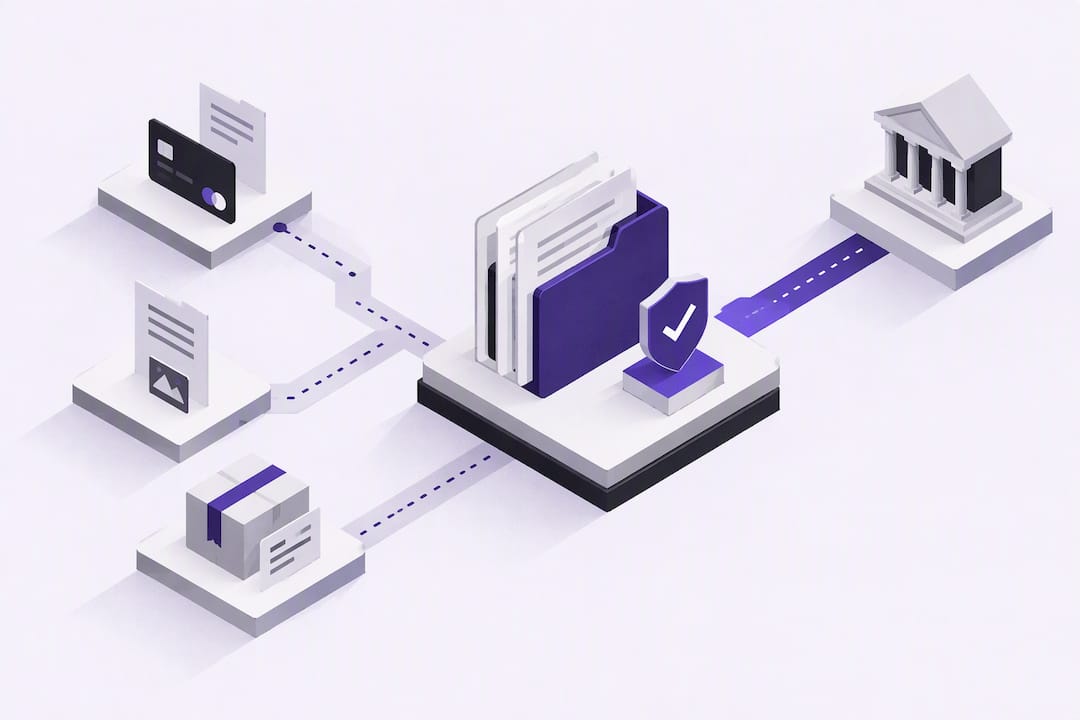
Getting sellers paid correctly starts well before the first transaction clears.
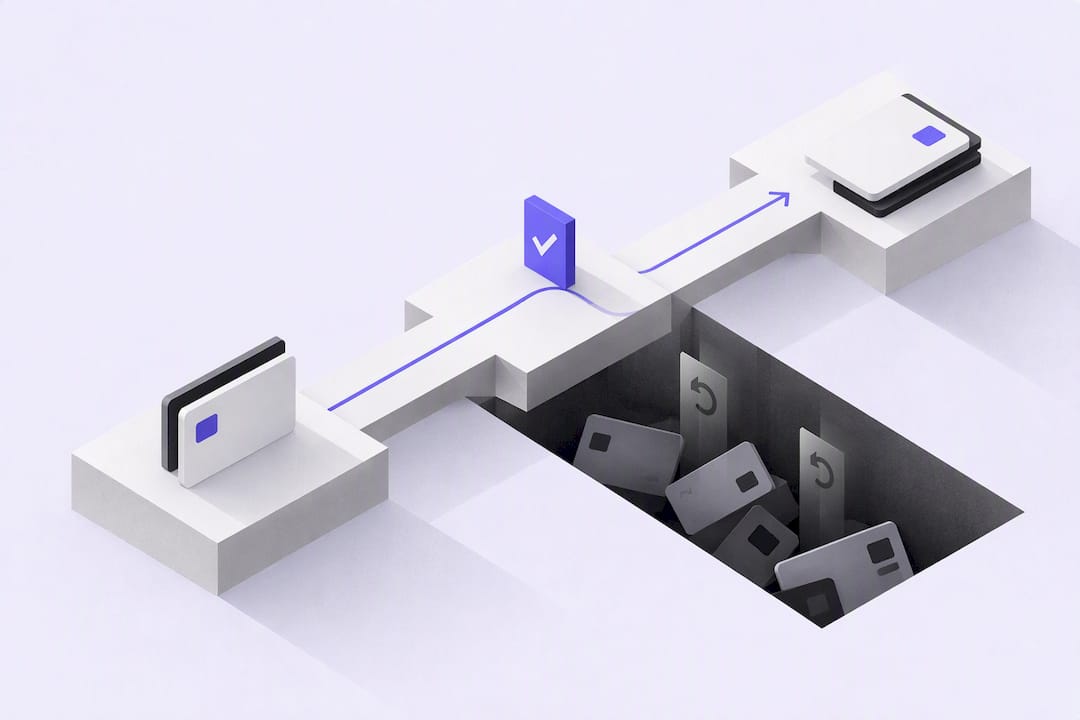
Reversing a split payment is harder than issuing one, because the money has often already left your control. Each refund needs a corresponding ledger entry that reverses the original split proportionally across every party that received a share, not just a blanket deduction from the seller.
Pro Tip: Run your dispute and refund logic through a staging environment that simulates mass chargebacks and forced seller account freezes before launch, since these edge cases reveal reserve and reconciliation gaps that normal testing misses.
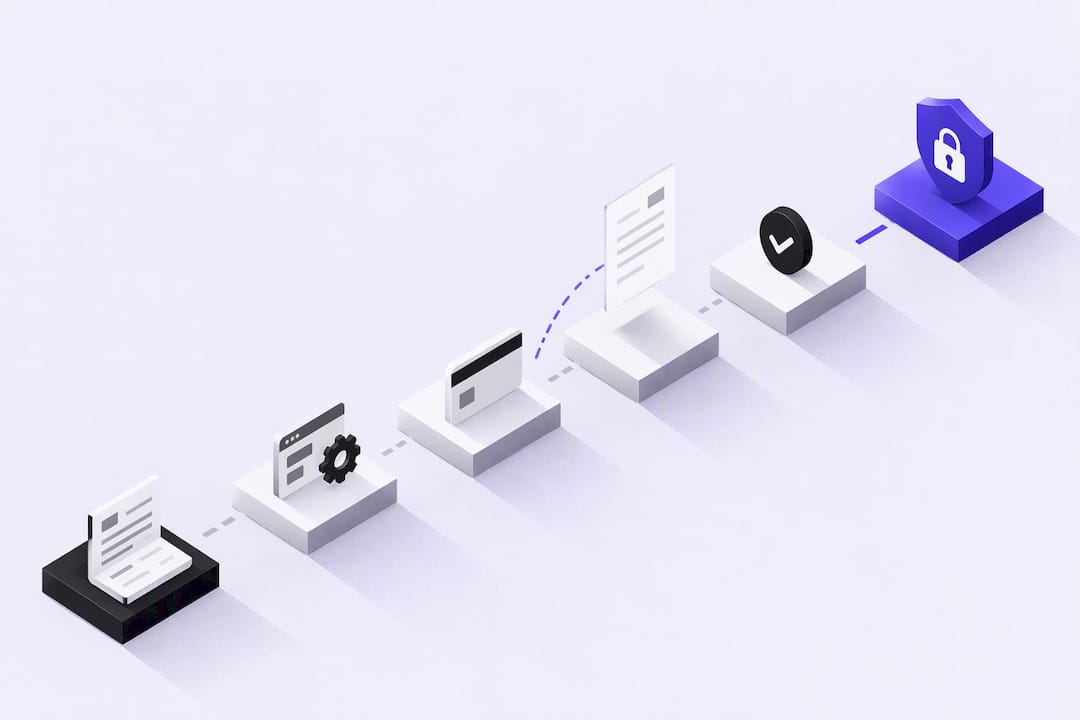
Before writing production code, work through these steps in order.
Most marketplace teams treat split payments as a pure engineering problem and discover the regulatory and tax dimensions only after a dispute or an IRS inquiry forces the issue. Marketplaces operating in higher-risk verticals, subscription billing, regulated goods, or B2B trade benefit from orchestration models paired with underwriting that has already seen the failure modes. Resilience across multiple payout rails and banking partners matters more than raw payout speed once a single rail freezes mid-season. The real tradeoff is never just speed versus cost: it is speed versus compliance versus the operational cost of rebuilding your ledger after a mistake.
— Joshua Benedetti
We built our marketplace payment services around the gap most generalist processors leave open: underwriting that understands multi-party payouts, access to multiple settlement rails, and transparent reserve structures instead of vague terms buried in a contract.
If your marketplace handles regulated goods, subscription billing, or B2B settlement, talk with our team about a high-risk merchant account built for your payout architecture before you scale volume.
This article is general information, not a substitute for advice from a qualified financial advisor. Consult a qualified financial professional about your own circumstances before acting on anything here.
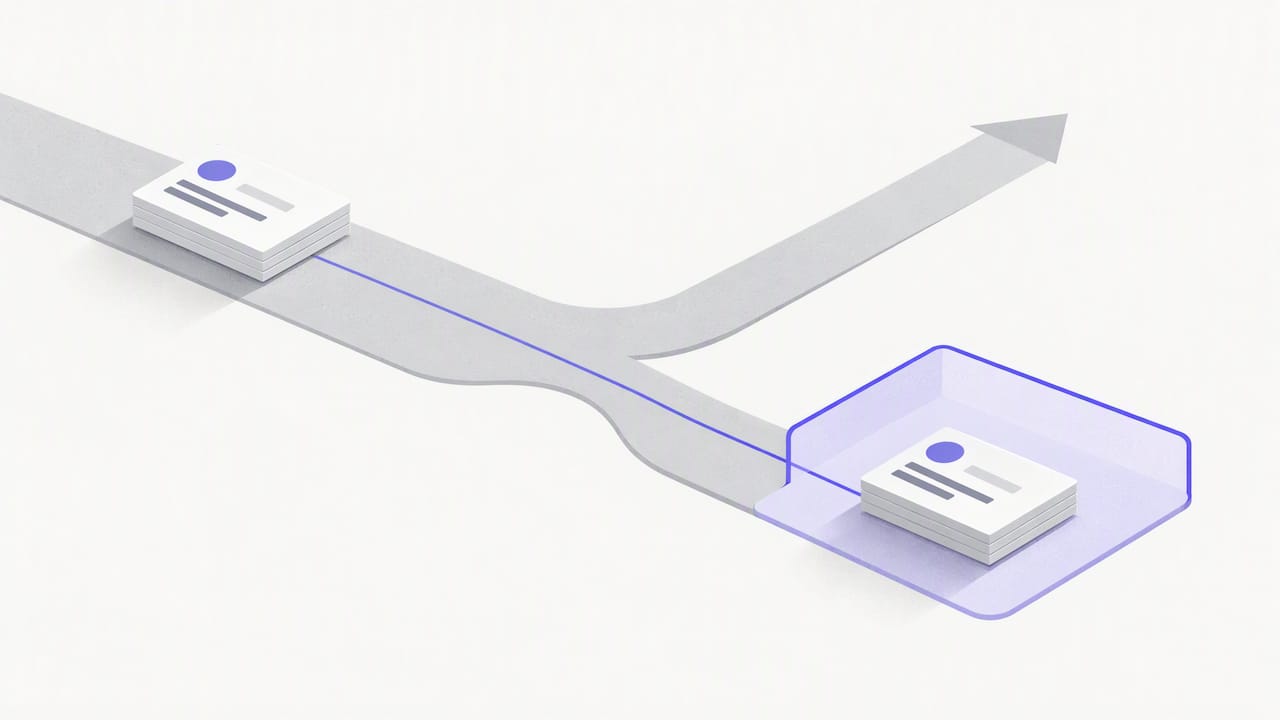
You choose an architecture (direct split, delayed routing, or payout-only), integrate a payment gateway or orchestration layer to calculate allocations, and build webhook handlers to track settlement and payout status. Seller onboarding with KYC and tax data collection must be in place before you enable live payouts.
Cards and ACH transfers remain the most broadly supported methods for both charges and payouts, since they integrate with most split and payout-only architectures. Cross-border or alternative payment methods often require a payout-only fallback because not every method supports instantaneous split routing.
Split payments can complicate refund logic once funds have already moved to separate sub-accounts, and some providers restrict split routing for cross-border transactions or specific payment methods. Regulatory classification also depends on fact-specific custody and contract terms rather than how you label the flow, per FinCEN’s rulings.
Not every payment provider supports native split routing at the API level, which forces platforms toward a payout-only model built on separate disbursement after collection. Regulatory uncertainty around money-transmitter status, outlined in FinCEN guidance, also leads some platforms to avoid direct splits in favor of models with clearer custody lines.
For readers implementing this architecture, the original guidance is worth reading directly rather than relying on secondhand summaries. FinCEN’s administrative rulings cover money-transmitter classification, the FTC’s INFORM Consumers Act guidance covers seller data thresholds, and the IRS Form 1099-K instructions cover filing responsibility for payment settlement entities. For a developer-level walkthrough of gateway integration patterns, see Bitrupt’s guide to payment gateway integration.
Every merchant's processing setup is different, so the right answer depends on your industry, sales channels, average ticket size and chargeback history. CARDZ3N's payments specialists review those details with you and match your business with the right sponsor bank, gateway and risk tools, whether you sell online, in store, by invoice or on a recurring subscription.
We work with merchants across the USA, Canada, the UK and the EU, including high-risk, B2B and fast-growing businesses that traditional processors often turn away. If you would like a second opinion on your current rates, contract terms or approval options, contact our team for a free, no-obligation processing review.
Joshua Benedetti is the CEO of CARDZ3N, a Las Vegas-based merchant services provider specializing in high-risk payment processing and B2B payment technology.
Joshua Benedetti on LinkedInCARDZ3N Inc is headquartered in Las Vegas, Nevada, and provides merchant services to businesses that traditional processors turn away. Backed by top-tier sponsor banks and processors, CARDZ3N combines institutional stability with the speed of a specialized team that understands high-risk industries. Services include high-risk account underwriting and placement, gateway solutions across the major gateway platforms, POS integrations, ACH and check processing, chargeback prevention through ChargebackZ3N, and business lending and working capital. Its AerospacePay division serves OEMs, MROs, FBOs, and repair stations with B2B and B2G payment processing. CARDZ3N serves merchants in the USA, Canada, the UK, and the EU.
Start protecting your revenue from chargebacks today — schedule your complimentary consultation with CARDZ3N’s dispute management specialists.