


 CARDZ3N — Home
Contact us today for personalized advice and strategic solutions tailored to your goals.

Call us
+1 (702)-623-3528










Pre-arbitration is the stage after representment where Visa and Mastercard give merchants one last chance to resolve a dispute before arbitration fees apply, and the choice is binary: submit validated Compelling Evidence 3.0 (CE3.0) data or accept the liability. Under current Visa rules, merchants typically have a 30-day window to respond, and missing that window, or submitting evidence that fails validation, usually results in an automatic loss.
A chargeback dispute moves through a defined sequence, and pre-arbitration is the second-to-last stop before the networks step in to arbitrate. According to a breakdown of the full chargeback lifecycle, the stages run as follows:
Each stage shifts control between the issuer, the acquirer, the merchant and the network, and Visa and Mastercard apply slightly different timing and evidence rules at the pre-arbitration step, which shapes how quickly you need to move.
Timing is the single biggest point of failure in pre-arbitration. Visa’s guidance on Compelling Evidence 3.0 merchant readiness confirms that CE3.0 elements such as Device ID, IP address and customer login history are validated through Visa Resolve Online (VROL), and that validation can shift liability back to the issuer when it succeeds.
Visa’s own guidance states that merchants have a 30-day window to respond to a pre-arbitration case, and failing to respond or provide validated data results in automatic loss. If your CE3.0 submission fails validation, you generally cannot resubmit under the same argument. You either pivot to a different reason code or accept the loss, which makes evidence quality on the first attempt the whole game.
Winning at pre-arbitration comes down to whether your CE3.0 bundle validates in VROL, and the strongest bundles combine several data points rather than relying on one. Visa’s merchant readiness guidance lists the core elements acquirers should gather before submission:
Verifi Order Insight extends this further by sharing extensive order details with the issuer before a dispute even escalates, building a historical footprint that supports later CE3.0 submissions. For fraud-coded disputes, pair device and login data with prior order history; for “not received” claims, lead with tracking confirmation; for duplicate billing disputes, pull the full transaction log showing distinct authorizations.
Pro Tip: Build your CE3.0 bundle before a dispute arrives, not after, by routing gateway logs, CRM notes and shipping data into one dispute file as orders ship.
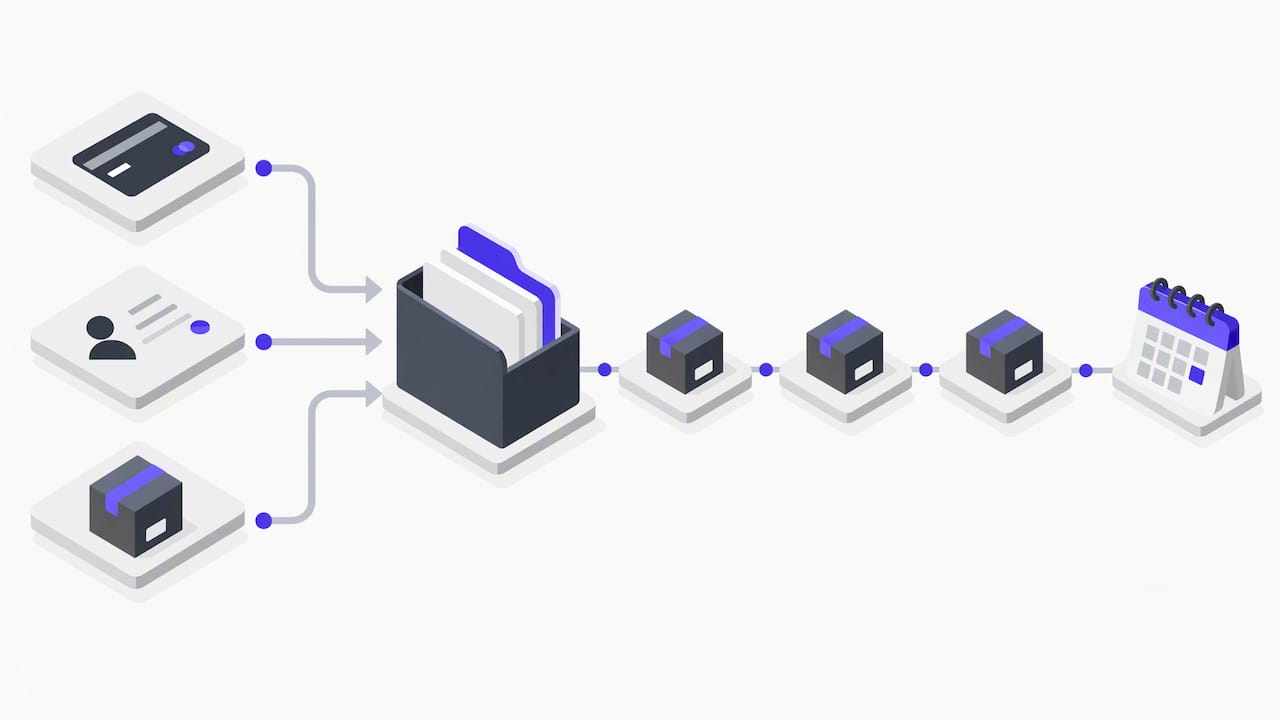
The most common submission error is incomplete device data, since a Device ID with no matching login history rarely validates on its own.
Not every pre-arbitration case deserves a fight. Before you commit resources, weigh evidence strength against the arbitration fee you risk if you lose.
Pro Tip: Run the expected-value math before every pre-arbitration decision: multiply your estimated win probability by the recovery amount, then subtract the arbitration fee you would owe if you lose.
Once you decide to contest, speed and data quality both matter. Pull your evidence from a short list of reliable sources: gateway transaction logs, CRM notes documenting customer contact, shipping and tracking records and web server logs showing login activity.
Building this workflow once, rather than assembling evidence case by case, is what separates merchants with strong CE3.0 validation rates from those who lose on preventable technicalities.
Losing a pre-arbitration case carries costs beyond the original transaction amount. Arbitration fees charged by the networks apply to whichever party the ruling goes against, and merchants that let chargeback ratios climb face steeper processing pricing and reserve requirements on top of that.
Commentary on dispute economics notes that most cases resolve before arbitration because the review fees and added risk make settling the more common outcome once evidence is weak.
In high-risk and subscription billing, the merchants who win at pre-arbitration are the ones who treat it as a financial decision backed by data, not a form to fill out under deadline pressure. We see the strongest outcomes when a merchant has already centralized device, login and shipping data before a dispute ever lands, which is exactly what a managed dispute program is built to do versus scrambling in-house at the last minute.
— Joshua Benedetti
Our chargeback management, prevention and dispute representment service helps with assembling validated CE3.0 evidence, coordinating with your acquirer on submission timing and tracking cases through to resolution to meet deadlines.
If chargebacks are cutting into your margins or your account is at risk of dispute-monitoring enrollment, visit our high-risk merchant account page to learn about available assistance.
Pre-arbitration is the stage after representment where the issuer rejects your evidence and gives you one more chance to either accept the loss or submit additional proof, such as CE3.0 data, before the case moves to binding arbitration. It is the last point before network fees apply.
An arbitration chargeback is a dispute that neither the merchant nor the issuer resolved at pre-arbitration, so the network itself reviews the case and issues a binding ruling. The losing party pays an arbitration fee on top of the original disputed amount.
Winning depends almost entirely on evidence quality, and Mastercard’s own guidance warns against disputing without compelling proof because weak arguments usually fail and add cost. Validated CE3.0 data with matching device, login and shipping records gives merchants their strongest odds.
Chargebacks are commonly grouped into fraud-related disputes, where the cardholder claims an unauthorized transaction; service or product disputes, where the customer says goods were not received or did not match the description; and processing errors, such as duplicate charges. Each type calls for a different evidence bundle at the pre-arbitration stage.
Every merchant's processing setup is different, so the right answer depends on your industry, sales channels, average ticket size and chargeback history. CARDZ3N's payments specialists review those details with you and match your business with the right sponsor bank, gateway and risk tools, whether you sell online, in store, by invoice or on a recurring subscription.
We work with merchants across the USA, Canada, the UK and the EU, including high-risk, B2B and fast-growing businesses that traditional processors often turn away. If you would like a second opinion on your current rates, contract terms or approval options, contact our team for a free, no-obligation processing review.
Joshua Benedetti is the CEO of CARDZ3N, a Las Vegas-based merchant services provider specializing in high-risk payment processing and B2B payment technology.
Joshua Benedetti on LinkedInCARDZ3N Inc is headquartered in Las Vegas, Nevada, and provides merchant services to businesses that traditional processors turn away. Backed by top-tier sponsor banks and processors, CARDZ3N combines institutional stability with the speed of a specialized team that understands high-risk industries. Services include high-risk account underwriting and placement, gateway solutions across the major gateway platforms, POS integrations, ACH and check processing, chargeback prevention through ChargebackZ3N, and business lending and working capital. Its AerospacePay division serves OEMs, MROs, FBOs, and repair stations with B2B and B2G payment processing. CARDZ3N serves merchants in the USA, Canada, the UK, and the EU.
Start protecting your revenue from chargebacks today — schedule your complimentary consultation with CARDZ3N’s dispute management specialists.