 CARDZ3N — Home
Contact us today for personalized advice and strategic solutions tailored to your goals.

Call us
+1 (702)-623-3528




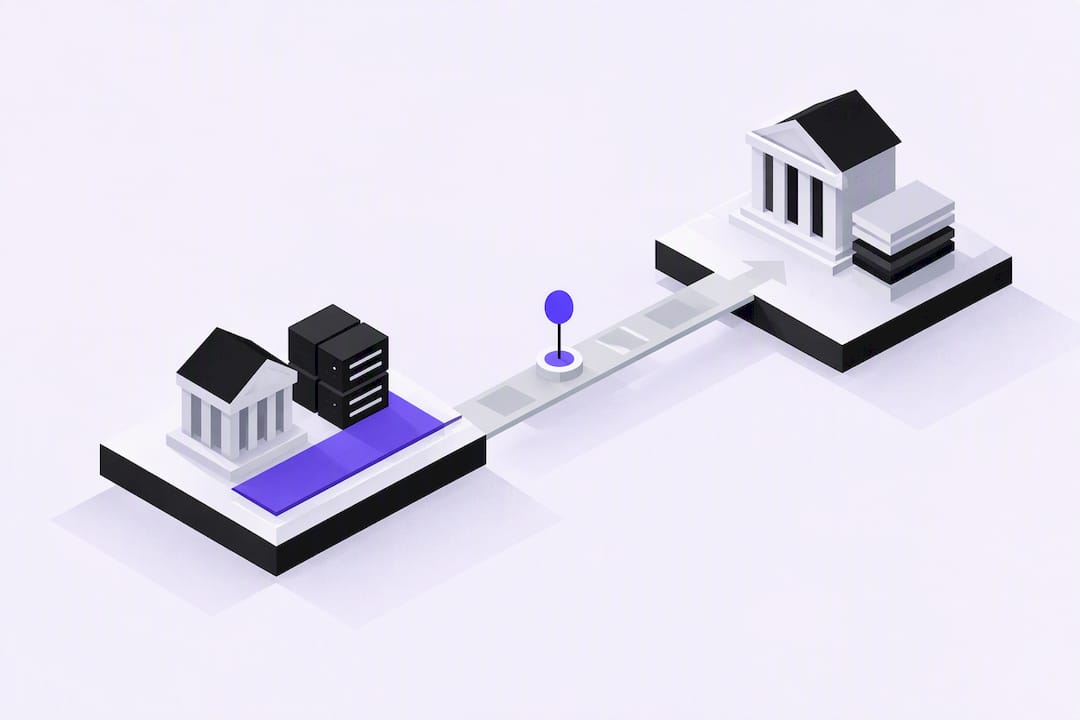





ACH vs wire transfer is one of the most common questions businesses ask when they need to move money between bank accounts. Both methods send funds electronically, but they work on different networks, settle on different timelines, cost different amounts and carry different risks. This guide explains the difference between ACH and wire transfers so you can choose the right one for each payment.
An ACH payment moves money through the Automated Clearing House network, which batches many transactions together and settles them on a schedule. ACH can push money out (an ACH credit) or pull money in (an ACH debit) with the payer's authorization. It is widely used for payroll, vendor payments, bill pay, subscriptions and recurring invoices. See our overview of ACH payment processing for how businesses collect payments this way.
A wire transfer sends funds directly from one bank to another, one payment at a time, rather than in a batch. Wires are typically used for large, urgent or one-time payments such as real estate closings, high-value purchases and international settlements. Because each wire is handled individually, it is usually faster but more expensive than ACH.
The main differences come down to speed, cost, direction and reversibility. ACH is generally slower because transactions settle in batches, with same-day options available within network cutoff windows. Wires are generally completed the same day when sent before the bank's cutoff. ACH is generally lower cost per payment, while wires typically carry higher fees from both the sending and receiving banks. ACH supports both pushing and pulling funds, while a wire can only be sent by the payer. Finally, ACH payments can be returned or disputed within defined rules, while a completed wire is very difficult to recall.
Because wires are hard to reverse, they carry more risk if the recipient details are wrong or the request is fraudulent. ACH has built-in return processes, which helps merchants recover from errors, but also means a payment you received can be returned later. Learn how returns work in our guides to ACH return codes and ACH SEC codes.
Wire transfer vs ACH speed depends on cutoffs. A wire sent before the bank's deadline usually arrives the same business day, while a standard ACH payment typically takes longer to settle. If you need predictable timing, review the cutoff windows in our guide to ACH cutoff times.
Use ACH for recurring, predictable and lower-value payments where cost matters more than speed: payroll, subscriptions, rent, vendor invoices and B2B billing. Use a wire when a payment is large, time-sensitive or the recipient requires guaranteed same-day funds. Many businesses use both: ACH for day-to-day collections and wires for exceptions.
An eCheck is an ACH debit that collects payment from a customer's bank account. If you collect payments from customers rather than send them, read our comparison of eCheck vs ACH.
Generally yes. ACH payments usually cost less per transaction than wires, which is why recurring and high-volume payments often run through ACH.
Neither is automatically safer. ACH offers return and dispute processes, while wires are harder to reverse. Verify recipient details and use authorization controls for either method.
Yes. Many merchants collect recurring and invoice payments by ACH debit or eCheck. See our ACH and eCheck payment processing services, and our high-risk payment solutions for merchants that need specialized support.
Every merchant's processing setup is different, so the right answer depends on your industry, sales channels, average ticket size and chargeback history. CARDZ3N's payments specialists review those details with you and match your business with the right sponsor bank, gateway and risk tools, whether you sell online, in store, by invoice or on a recurring subscription.
We work with merchants across the USA, Canada, the UK and the EU, including high-risk, B2B and fast-growing businesses that traditional processors often turn away. If you would like a second opinion on your current rates, contract terms or approval options, contact our team for a free, no-obligation processing review.
Joshua Benedetti is the CEO of CARDZ3N, a Las Vegas-based merchant services provider specializing in high-risk payment processing and B2B payment technology.
Joshua Benedetti on LinkedInCARDZ3N Inc is headquartered in Las Vegas, Nevada, and provides merchant services to businesses that traditional processors turn away. Backed by top-tier sponsor banks and processors, CARDZ3N combines institutional stability with the speed of a specialized team that understands high-risk industries. Services include high-risk account underwriting and placement, gateway solutions across the major gateway platforms, POS integrations, ACH and check processing, chargeback prevention through ChargebackZ3N, and business lending and working capital. Its AerospacePay division serves OEMs, MROs, FBOs, and repair stations with B2B and B2G payment processing. CARDZ3N serves merchants in the USA, Canada, the UK, and the EU.
Start protecting your revenue from chargebacks today — schedule your complimentary consultation with CARDZ3N’s dispute management specialists.