 CARDZ3N — Home
Contact us today for personalized advice and strategic solutions tailored to your goals.

Call us
+1 (702)-623-3528




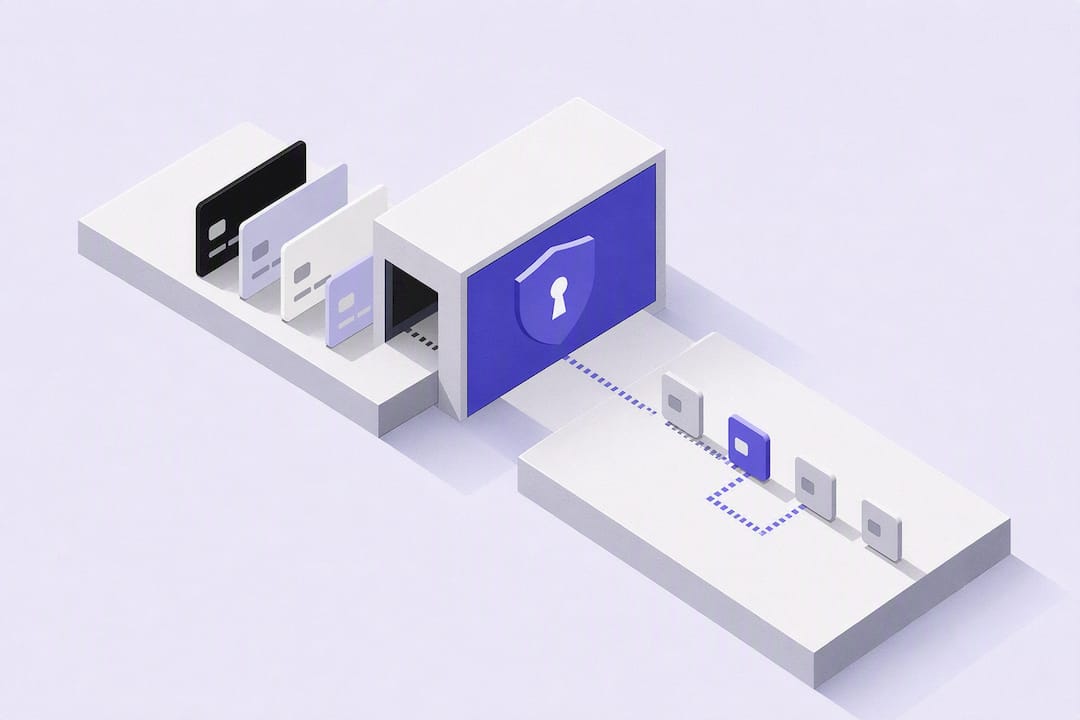





Payment tokenization replaces a customer’s card number with a unique, useless-to-thieves substitute value so merchants never have to store the real card data. The direct payoff: less exposure if a breach happens, a smaller PCI DSS footprint to audit, and, when you use network tokens specifically, higher authorization rates on stored-card charges. Not every token behaves the same way, though. Network tokens and merchant tokens differ in who owns them, how they refresh, and how much control you retain, and that distinction shapes almost every implementation decision that follows.
A token is a surrogate value that stands in for a real card number, or PAN (Primary Account Number), inside your systems. The token looks like a card number in format, but it carries no exploitable financial data on its own. If a hacker steals a database full of tokens, they get nothing usable.
The vocabulary around tokenization gets thrown around loosely, so here’s the working glossary you need before going further:
The other core distinction is single-use versus multi-use tokens. A single-use token exists for exactly one transaction and then dies, which is typical for guest checkout or one-time wallet payments. A multi-use token persists across many transactions, which is what makes card-on-file billing, subscriptions, and saved payment methods possible. Multi-use tokens are the workhorses of recurring revenue businesses, and they’re where most of the operational complexity in this guide actually lives.
EMVCo’s tokenization framework treats these components as part of a layered security model, not a standalone fix. That framing matters more than it sounds. Tokenization protects stored data; it does not authenticate the person making the transaction. Keep that separation in mind as you design your stack.
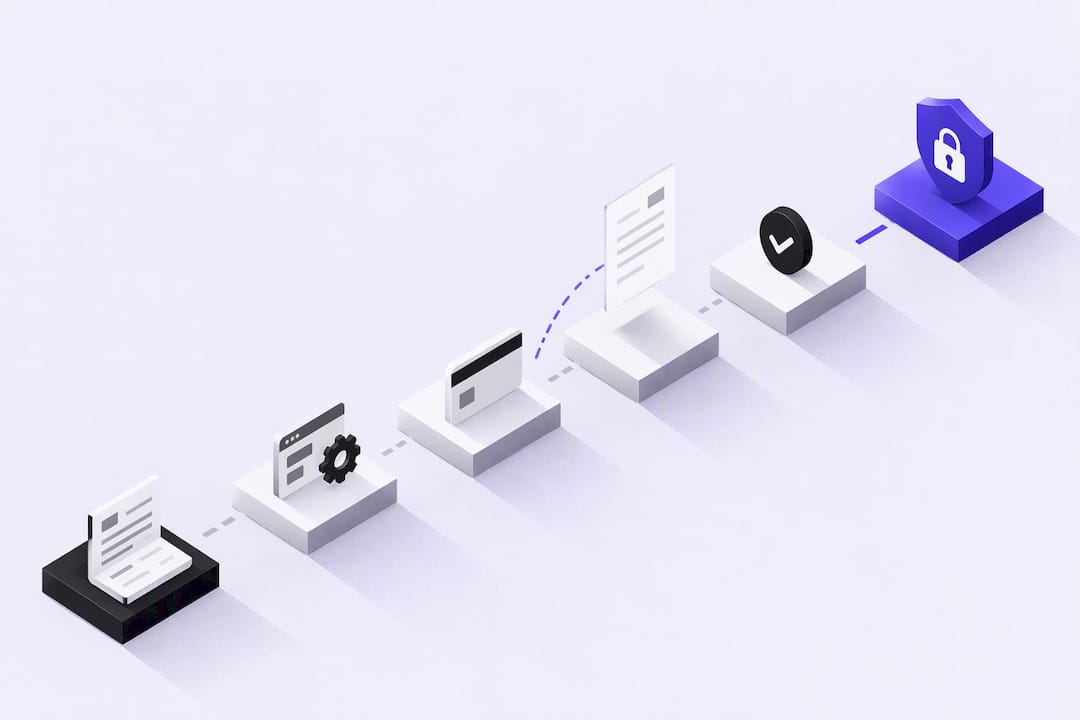
Here’s the technical path a card number takes from the moment a customer types it in to the moment your systems process a charge, without your servers ever touching the real PAN.
The vaulted-versus-vaultless decision shapes how that middle step behaves. A vaulted approach stores the token-to-PAN mapping centrally with the TSP, which is simpler to reason about and easier to audit, but it introduces a network round-trip and a dependency on the vault’s uptime for every transaction. A vaultless (cryptographic) approach generates tokens algorithmically using strong encryption keys, which cuts latency because there’s no lookup step. Stripe’s technical overview notes that vaultless schemes shift the risk instead of removing it: your security now hinges entirely on key management, so you need hardware security modules and disciplined key rotation to keep that architecture sound.
Whichever pattern you choose, test three things before you go live: recurring charge success rates against test tokens, refund behavior when the original transaction token has expired, and how your system handles a token refresh event mid-billing-cycle.
Pro Tip: Build a token status webhook listener before launch, not after. Networks and processors push updates, expiration, and revocation events in real time, and if you’re not catching them, you’ll find out about a dead token only when a renewal payment fails.
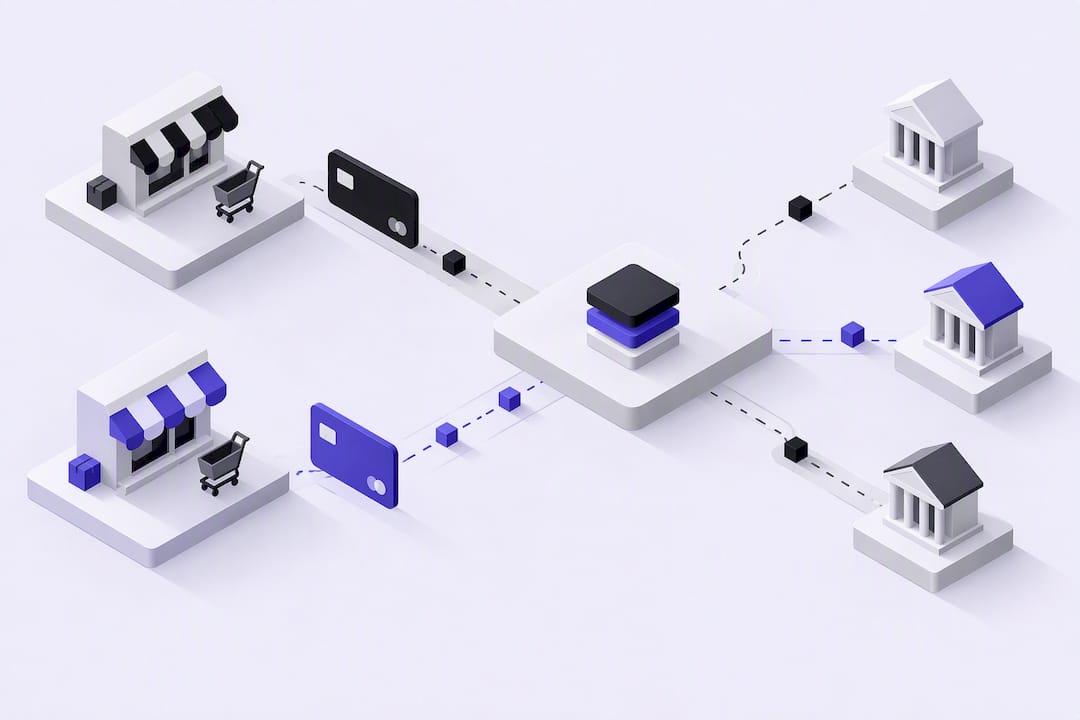
Not all tokens are issued by the same party, and that difference determines who controls updates, how resilient your billing is to card reissues, and how portable your setup is if you switch processors.
The practical takeaway: subscription and recurring billing businesses generally benefit most from network tokens, specifically because of the auto-refresh behavior. Businesses that need tight custody over their own token data, or that operate across multiple processors and want a single portable token format, often lean toward merchant-controlled tokens instead. Most mature payment stacks end up running both, choosing per use case rather than picking one architecture for everything.
The security case for tokenization is well understood. The harder question is what it does to your bottom line, and the answer breaks into three measurable categories.
Breach impact and compliance scope. When you store tokens instead of PANs, a database breach exposes values that are worthless outside your specific token environment. That directly shrinks what auditors evaluate under PCI DSS, since the PCI Security Standards Council’s tokenization guidance confirms that systems which never store, process, or transmit PANs fall outside the strictest scope requirements. Fewer systems in scope means a shorter, cheaper annual assessment.
Network tokens carry issuer-level involvement that ACI Worldwide links to measurably better stored-card authorization outcomes, because the token itself gets updated automatically instead of dying with the old card.
Authorization uplift and retention. Failed recurring charges from expired or reissued cards are one of the quiet revenue killers in subscription business, and network tokenization is built specifically to close that gap.
Cross-channel consistency. A single tokenized customer profile can support one-click checkout on the web, saved cards in a mobile app, and card-on-file billing through a call center, all pointing back to the same underlying token infrastructure. That consistency is what makes omnichannel commerce actually feel seamless to the customer, rather than requiring them to re-enter a card every time they switch channels.
Rolling out tokenization touches your checkout, your database schema, your billing logic, and your compliance documentation all at once. Sequence matters.
Pro Tip: Run your legacy PAN migration in parallel with your existing card-storage system for at least one full billing cycle before decommissioning it. Cutting over too fast is the most common cause of failed subscription renewals during a tokenization rollout.
Businesses building white-label or embedded payment experiences should also confirm their payment gateway integration supports the token format they intend to use before locking in an architecture, since retrofitting token support onto an existing integration costs far more than planning for it up front.
Tokenization removes one category of risk and introduces a few new operational headaches worth planning for honestly.
Vendor lock-in and portability. Merchant-issued tokens are frequently tied to the processor that generated them, and moving to a new processor can mean re-tokenizing your entire customer base, sometimes with a service interruption. Ask any prospective processor directly how token portability works before signing a contract.
Legacy system complexity. Bulk-tokenizing years of stored PANs across old billing systems, CRMs, and reporting tools is genuinely hard, and it’s the step most implementation timelines underestimate.
Account takeover risk persists. Tokenization protects card data at rest and in transit, but it does nothing to stop a fraudster who has already taken over a legitimate customer account and is using saved payment methods for unauthorized purchases. EMVCo’s own guidance is explicit that tokenization is one layer in a broader security model, not a replacement for fraud detection or authentication controls.
Latency and cost. Every detokenization step adds an API call and a few milliseconds of round-trip time, and processor-issued tokens usually carry per-transaction or per-token fees that add up at scale.
A token isn’t a set-it-and-forget-it asset. It has a lifecycle, and mismanaging it shows up as failed renewal charges and confused support tickets.

When an issuer reissues a card, whether from expiration, a lost card report, or a product upgrade, network tokens update automatically behind the scenes, without requiring the customer to re-enter anything. Merchant tokens typically don’t get this treatment and may need a manual re-authentication flow to stay current.
For failed token charges, build retry logic that distinguishes between a temporary decline and a genuinely dead token; retrying a dead token repeatedly just burns processor goodwill and can trigger fraud flags. When retries exhaust, trigger customer outreach before the subscription lapses rather than after.
Tokenization and encryption solve related but distinct problems, and conflating them is one of the more common mistakes in payments architecture planning.
Encryption transforms data using a mathematical algorithm and a key. Anyone holding the right key can reverse it, which makes encryption well suited to protecting data at rest or in transit broadly, databases, backups, file transfers, anything where the underlying value eventually needs to be recovered by an authorized system.
Tokenization instead substitutes the data with a reference value that has no mathematical relationship to the original. Only the vault holding the mapping can reverse it. That makes tokenization the better fit specifically for card-on-file storage and PCI scope reduction, since a stolen token database, unlike a stolen key and ciphertext pair, is genuinely useless to an attacker without vault access.
In practice, mature payment stacks run both. Card data gets tokenized the moment it’s captured, and everything else, customer PII, internal logs, backups, gets encrypted. Layering them is defense-in-depth, not redundancy.
Tokenization shows up differently depending on the channel, and seeing the pattern in each context makes the abstractions above a lot more concrete.
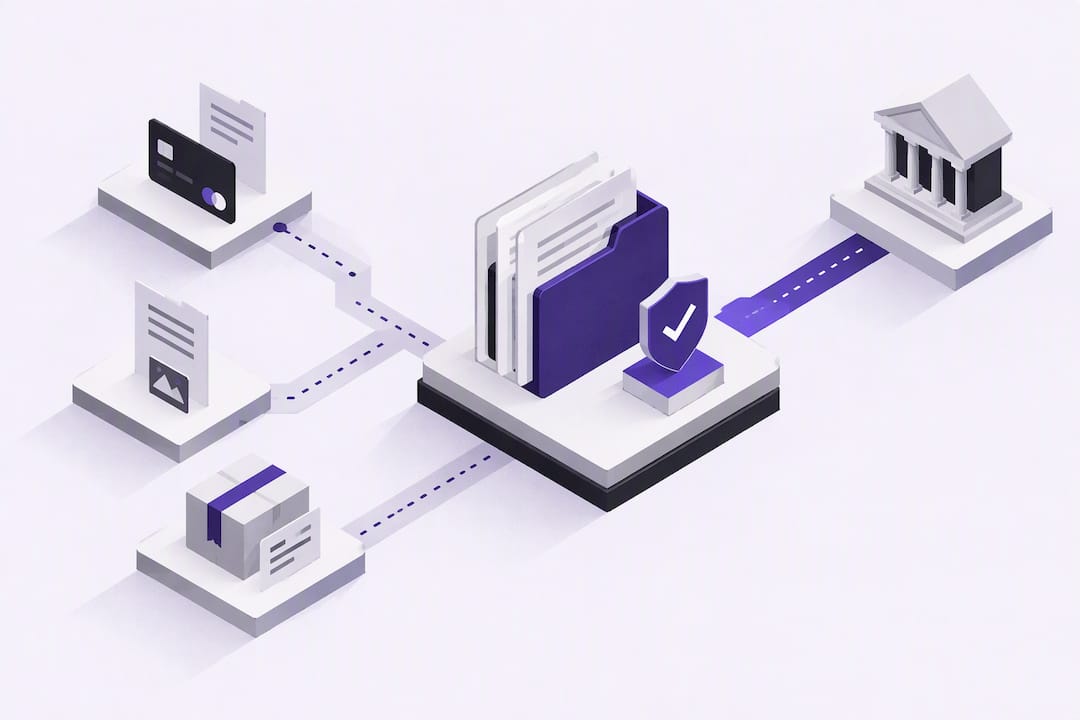
Tokenization intersects with underwriting in ways generalist processors rarely explain. Sponsor banks evaluating a high-risk account weigh chargeback exposure heavily, and a clean tokenization implementation, one with clear metadata trails, documented retry logic, and auditable reconciliation, gives underwriters concrete evidence that a merchant is managing risk seriously rather than just processing volume. That evidence can influence reserve structures.
For subscription, nutraceutical, and MLM billing businesses in particular, token metadata should capture enough context (original authorization date, cryptogram type, retry history) to support a dispute response without digging through three separate systems. Pairing tokenized billing with structured chargeback prevention tooling closes the loop between reduced card-data risk and reduced dispute risk, which are related but not identical problems.
Tokenization stopped being optional the moment card-on-file became standard for subscriptions and wallets; the real decision now is which token type to lean on and when. My three priorities for any payments leader: get network tokens working for anything recurring, keep merchant-controlled tokens for cases needing portability, and vet processor lock-in risk before committing. Start with a pilot on your highest-volume recurring product line first.
— Joshua Benedetti
Generalist processors treat tokenization as a checkbox. A clean token architecture with documented lifecycle policies can give sponsor banks reason to offer better reserve terms to high-risk merchants that would otherwise get flagged as too risky to board. CARDZ3N supports payment gateway integrations with vaulting options built for recurring billing, alongside chargeback prevention tools that pick up where tokenization leaves off, covering the account takeover and dispute risks tokens alone can’t stop. If Stripe, PayPal, or Square has already shut down your account, or you’re building a subscription, nutraceutical, or B2B payment stack that needs both approval and solid token architecture from day one, start with a high-risk merchant account assessment and get a transparent quote on reserve structure and pricing before you commit to anything.
For primary definitions and layered-security framing, consult EMVCo’s tokenization guidance. For PCI scope implications, see the PCI SSC’s tokenization supplement. For adoption trends, review the Boston Fed’s tokenization research.
The main downsides are vendor lock-in, since merchant-issued tokens can be difficult to port between processors, and the operational cost of migrating legacy stored card data into a tokenized format. Tokenization also doesn’t stop account takeover fraud on its own, so it needs to sit alongside authentication and fraud monitoring rather than replace them, as EMVCo’s guidance makes clear.
Yes. Apple Pay requests a device-specific network token when a card is added to the wallet, then generates a unique cryptogram for every transaction. This is the same tokenization principle used across contactless and card-on-file payments generally, just applied at the device level.
The three practical categories are network tokens, issued and refreshed by card networks; merchant or processor tokens, controlled by the payment provider; and device-bound or one-time tokens, used by mobile wallets and contactless terminals for single transactions. Each trades off control, portability, and refresh behavior differently.
You don’t tokenize a card yourself. It happens automatically when you add the card to a digital wallet, save it during checkout with a merchant that uses tokenized card-on-file storage, or tap it on a contactless terminal that supports EMV tokenization. The token generation happens between the card network, the issuing bank, and the token service provider without any extra action required from the cardholder.
Every merchant's processing setup is different, so the right answer depends on your industry, sales channels, average ticket size and chargeback history. CARDZ3N's payments specialists review those details with you and match your business with the right sponsor bank, gateway and risk tools, whether you sell online, in store, by invoice or on a recurring subscription.
We work with merchants across the USA, Canada, the UK and the EU, including high-risk, B2B and fast-growing businesses that traditional processors often turn away. If you would like a second opinion on your current rates, contract terms or approval options, contact our team for a free, no-obligation processing review.
Joshua Benedetti is the CEO of CARDZ3N, a Las Vegas-based merchant services provider specializing in high-risk payment processing and B2B payment technology.
Joshua Benedetti on LinkedInCARDZ3N Inc is headquartered in Las Vegas, Nevada, and provides merchant services to businesses that traditional processors turn away. Backed by top-tier sponsor banks and processors, CARDZ3N combines institutional stability with the speed of a specialized team that understands high-risk industries. Services include high-risk account underwriting and placement, gateway solutions across the major gateway platforms, POS integrations, ACH and check processing, chargeback prevention through ChargebackZ3N, and business lending and working capital. Its AerospacePay division serves OEMs, MROs, FBOs, and repair stations with B2B and B2G payment processing. CARDZ3N serves merchants in the USA, Canada, the UK, and the EU.
Start protecting your revenue from chargebacks today — schedule your complimentary consultation with CARDZ3N’s dispute management specialists.