
 CARDZ3N — Home
Contact us today for personalized advice and strategic solutions tailored to your goals.

Call us
+1 (702)-623-3528










Your dream of running your own online business is slowly coming true. You have an attractive website with a catchy name, and your online catalog looks stunning. But there's one thing you haven't figured out yet: how to accept and process payments from your customers.
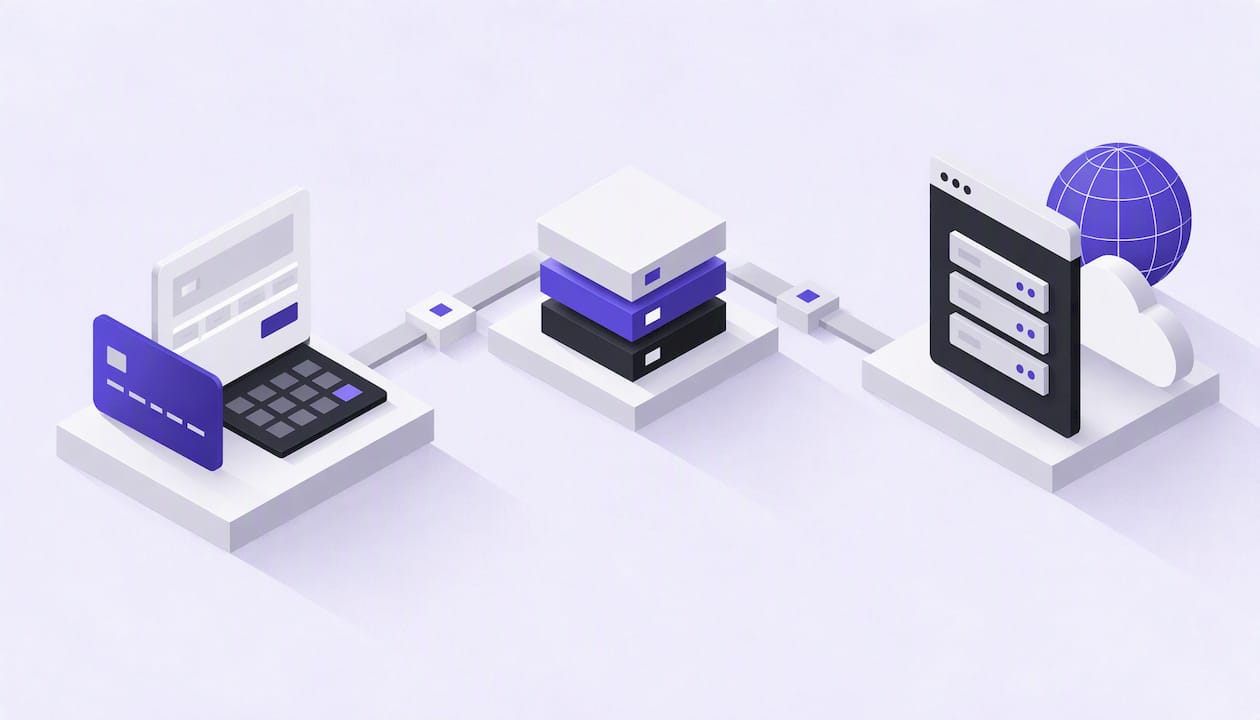
A payment gateway is an ideal solution. Processing payments in-house requires a big investment in hardware and software, plus compliance with a long list of standards, regulations, and policies. A payment gateway lets you accept payments easily and securely while staying compliant.
A well-known example is PayPal, a payment gateway that serves millions of buyers and sellers around the world. That said, other options may suit your business needs better. With so many payment gateway providers competing for your business, choosing the best one can be difficult.
Following a payment gateways guide can help you weigh your options and make the right call.
Here are the must-have features to look for when choosing an effective payment gateway.

Many payment gateways are available on the market, so evaluate your options carefully before deciding. It's highly recommended that you pick a merchant service account.
One key factor to consider is whether the payment gateway works well with the POS and e-commerce applications you already use, or plan to use. Choosing a gateway that's fully supported by your POS and e-commerce systems, and vice versa, has real advantages:
More people are shopping online because it's fast and convenient, and mobile payments are becoming the norm. Business owners who still think of payments in old terms need to catch up if they want to stay competitive.
Online shopping and payments are no longer limited to desktops and laptops. If you want your business to capture a big share of online sales, you need a payment gateway that supports mobile wallets and accepts mobile payments.
Data security is a top concern that should never be overlooked. A 2018 data security survey by Thales found that 75% of US retailers had experienced at least one cybersecurity failure in their online stores. Another report found that in 2018, about 90% of all login attempts at online retail stores came from hackers trying to break in.
There are several ways to protect your business, your data, and your customers' data. One is to choose a payment gateway built to repel attacks and block hacking attempts, while placing a layer of encryption between customers and sellers.
It's highly recommended that you pick a payment gateway with Payment Card Industry Data Security Standard (PCI DSS) accreditation. A PCI-compliant payment gateway follows strict, high-level banking standards to protect customer information and payment details, something you'll want for your business and your customers.
Online payment fraud is a persistent problem for online merchants, small businesses, and large corporations alike. In 2018, US-based online businesses lost $6.4 billion to payment fraud, according to Statista. Small businesses were hit hardest, losing an estimated $115,000 per business each year.
Most payment gateways offer basic security features to detect and prevent fraud. But in today's fast-changing landscape, your business needs more advanced protection so it doesn't become an easy target for fraudsters. Look for a payment gateway with strong anti-fraud features, such as:
Most payment gateways, like PayPal, AerospacePay, and Stripe, accept payments from all major credit and debit cards and serve international clients. But not every gateway supports every payment channel, and not all are authorized to accept payments from specific regions.
Customers also have their own preferences, and processing fees vary between gateways. Transactions in local currencies are usually cheaper than processing payments in dollars or euros. Compliance policies and regulations on online payments also differ from region to region.
These are important factors to think through before choosing a payment gateway. Make sure you have them covered before you make a decision.
Once you've narrowed your list and feel ready to make a pick, proceed carefully. Read the fine print, including the Terms of Service, contract stipulations, terms and conditions, and other legal details. These often contain conditions that can affect your business.
These may seem like small details, but they can affect your business in ways that surprise you. Make sure you understand exactly what you're signing up for before entering a partnership with your payment gateway.
CARDZ3N (702) 623-3528 contact@cardz3n.com
Every merchant's processing setup is different, so the right answer depends on your industry, sales channels, average ticket size and chargeback history. CARDZ3N's payments specialists review those details with you and match your business with the right sponsor bank, gateway and risk tools, whether you sell online, in store, by invoice or on a recurring subscription.
We work with merchants across the USA, Canada, the UK and the EU, including high-risk, B2B and fast-growing businesses that traditional processors often turn away. If you would like a second opinion on your current rates, contract terms or approval options, contact our team for a free, no-obligation processing review.
Joshua Benedetti is the CEO of CARDZ3N, a Las Vegas-based merchant services provider specializing in high-risk payment processing and B2B payment technology.
Joshua Benedetti on LinkedInCARDZ3N Inc is headquartered in Las Vegas, Nevada, and provides merchant services to businesses that traditional processors turn away. Backed by top-tier sponsor banks and processors, CARDZ3N combines institutional stability with the speed of a specialized team that understands high-risk industries. Services include high-risk account underwriting and placement, gateway solutions across the major gateway platforms, POS integrations, ACH and check processing, chargeback prevention through ChargebackZ3N, and business lending and working capital. Its AerospacePay division serves OEMs, MROs, FBOs, and repair stations with B2B and B2G payment processing. CARDZ3N serves merchants in the USA, Canada, the UK, and the EU.
Start protecting your revenue from chargebacks today — schedule your complimentary consultation with CARDZ3N’s dispute management specialists.