 CARDZ3N — Home
Contact us today for personalized advice and strategic solutions tailored to your goals.

Call us
+1 (702)-623-3528




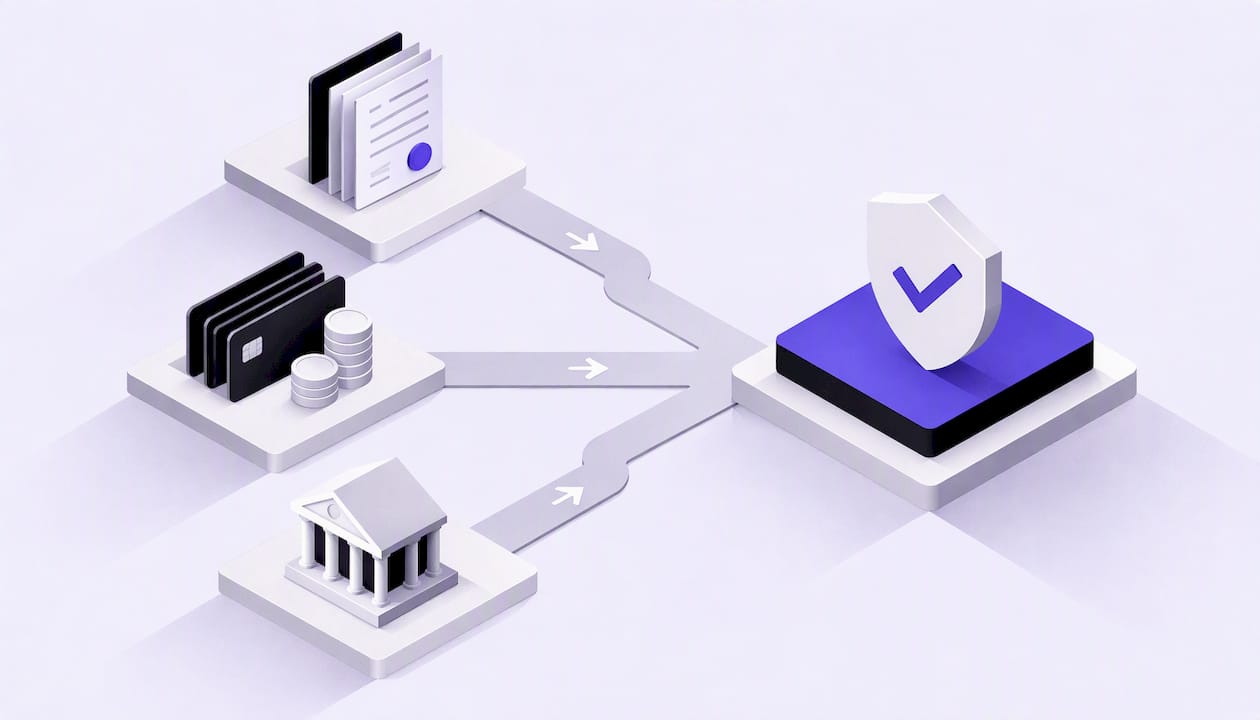





Debt collection agencies need a high-risk merchant account, and underwriters approve files that prove three things: legal ownership and licensing, authorization to collect, and a controlled dispute history. Expect to show state licenses, creditor contracts, bank and processing statements, and PCI and NACHA compliance evidence. Regulators such as the CFPB and the FDCPA framework shape what they look for, and we at CARDZ3N place agencies that need hands-on help.
Underwriters want a complete packet before they read a single narrative. Assemble these items first:
Present prior processing statements with the numbers underwriters scan first: average ticket, monthly volume, and chargeback rate. Label any unusual month and explain the cause in a sentence, such as a one-time portfolio purchase or a seasonal spike.
Pro Tip: Add a one-page cover memo that maps each document to what it proves: ownership, cash flow, authorization, or compliance.
Acquirers compare your paperwork to your real behavior. Verifying state licensing against the jurisdictions where you actively collect is a standard step, and a website that suggests you operate in unlicensed states can be treated as a compliance failure that leads to termination.
Expect underwriters to test three areas:
Vendor oversight matters here too. A KYC verification playbook is a useful reference for documenting how you vet outside vendors and onboard accounts.
Underwriters weigh numbers first and context second. The quantitative signals are your chargeback or dispute rate, average ticket, daily and monthly volume, and any prior processing history. A thin history is not fatal, but it means the qualitative file has to carry more weight.
The qualitative checks decide borderline cases:
If a metric looks weak, document what you changed. Show a written dispute policy, the chargeback reduction tools you use, training records, and vendor monitoring logs. Our chargeback management service is one way agencies build that evidence.
Pro Tip: Lead with the weak number yourself and attach the fix. Underwriters trust a flagged problem with a control far more than one they discover alone.

Card acceptance and ACH each carry their own rulebook, and underwriters ask for evidence of both.
NACHA’s guidance explains how to document and retain proof of authorization for ACH debits.
The flow is predictable. A clean packet moves it faster.
Timing varies with file quality. Clean files often clear in days, while files that need licensing or contract proof can take weeks. The usual bottlenecks are incomplete bank statements and missing state licenses.
Four things speed approval: a complete packet, explicit creditor contracts, clear billing descriptors, and evidence of dispute-handling procedures. Our guide on how to apply for a high-risk merchant account walks through the same steps in more detail.
Most rejections trace back to a short list of fixable problems.
If sponsor-bank introductions and underwriter expectations feel like a moving target, a specialist placement provider can manage that conversation for you.
Most delays I see are self-inflicted. Owners submit bank statements with a personal name on them, forget the license for a state they quietly collect in, or send contracts that never mention assignment of receivables. None of these is hard to fix, but each one resets the underwriter’s clock.
CARDZ3N is a Las Vegas-based high-risk payments specialist backed by sponsor banks, and we put files like these in front of underwriters. Here is your next-step list:
— Joshua Benedetti
We built our process for agencies that mainstream processors turn away. Our team handles underwriting placement, explains reserve terms plainly, and sets up ACH and eCheck processing, a virtual terminal, and gateway integrations. We pair that with chargeback prevention so your dispute story is ready before the bank asks.
Start with our debt collection merchant account page, then book a pre-application review through our high-risk merchant account team and we will check your packet before it goes to underwriting.
You need business formation documents, an EIN, owner IDs, a voided check or bank letter, and recent bank statements. High-risk categories like debt collection also need licensing proof, creditor contracts, and compliance evidence.
Most legitimate, registered businesses can qualify. Debt collection agencies qualify when licensing, contracts, and dispute controls are documented, usually through a high-risk merchant account.
A collector cannot freely access your funds. Debits generally require your authorization, and ACH collection depends on retained proof of authorization under NACHA’s guidance.
It is a limit in the CFPB’s Regulation F on how often a collector may call about a debt within a set window. Check the current text of Regulation F before relying on any summary.
Every merchant's processing setup is different, so the right answer depends on your industry, sales channels, average ticket size and chargeback history. CARDZ3N's payments specialists review those details with you and match your business with the right sponsor bank, gateway and risk tools, whether you sell online, in store, by invoice or on a recurring subscription.
We work with merchants across the USA, Canada, the UK and the EU, including high-risk, B2B and fast-growing businesses that traditional processors often turn away. If you would like a second opinion on your current rates, contract terms or approval options, contact our team for a free, no-obligation processing review.
Joshua Benedetti is the CEO of CARDZ3N, a Las Vegas-based merchant services provider specializing in high-risk payment processing and B2B payment technology.
Joshua Benedetti on LinkedInCARDZ3N Inc is headquartered in Las Vegas, Nevada, and provides merchant services to businesses that traditional processors turn away. Backed by top-tier sponsor banks and processors, CARDZ3N combines institutional stability with the speed of a specialized team that understands high-risk industries. Services include high-risk account underwriting and placement, gateway solutions across the major gateway platforms, POS integrations, ACH and check processing, chargeback prevention through ChargebackZ3N, and business lending and working capital. Its AerospacePay division serves OEMs, MROs, FBOs, and repair stations with B2B and B2G payment processing. CARDZ3N serves merchants in the USA, Canada, the UK, and the EU.
Start protecting your revenue from chargebacks today — schedule your complimentary consultation with CARDZ3N’s dispute management specialists.