
 CARDZ3N — Home
Kontaktieren Sie uns noch heute für persönliche Beratung und strategische Lösungen, die auf Ihre Ziele zugeschnitten sind.

Ruf uns an
+1 (702) -623-3528Leistungen









Im schnelllebigen Universum der Geschäftstransaktionen ist es von entscheidender Bedeutung, die Nuancen von B2B-Zahlungen zu verstehen. Da Unternehmen bestrebt sind, ihre Abläufe zu optimieren und ihre finanzielle Effizienz zu verbessern, dürfen die Feinheiten dieser Transaktionen nicht übersehen werden. Stellen Sie sich eine Welt vor, in der Ihre Geschäftszahlungen reibungslos, schnell und sicher ablaufen. Das ist nicht nur Wunschdenken, es ist eine realisierbare Realität mit dem richtigen Ansatz für B2B-Zahlungen. Indem wir uns eingehend mit den Unterschieden zwischen B2B- und Verbraucherzahlungen befassen, entwickeln wir Strategien, die die Finanzgeschäfte Ihres Unternehmens revolutionieren könnten. Wie wirken sich diese Unterschiede auf Ihr Unternehmen aus und warum sollten sie für Sie von Bedeutung sein?
In der geschäftigen Geschäftswelt ist die Zahlungsabwicklung das Rückgrat von Finanztransaktionen. Eine effiziente B2B-Zahlungsabwicklung ist ein Rettungsanker, der einen reibungslosen Ablauf und einen gesunden Cashflow gewährleistet. Aber was unterscheidet B2B-Zahlungen von ihren Gegenstücken für Verbraucher, und warum sollten sich Unternehmen darum kümmern?
Geschäftsinhaber sind sich bewusst, dass eine effektive B2B-Zahlungsabwicklung für die Aufrechterhaltung eines gesunden Cashflows von entscheidender Bedeutung ist. Im Gegensatz zu Verbrauchertransaktionen, die oft unkompliziert sind, können B2B-Zahlungen komplex sein. Sie beinhalten höhere Volumina und komplizierte Rechnungsstellungsprozesse. Finanzmanager wissen zu schätzen, wie optimierte B2B-Zahlungslösungen die Bearbeitungszeiten verkürzen und die Effizienz steigern können. Wenn ein Unternehmen Zahlungen schnell verarbeiten kann, bleibt die Liquidität erhalten und potenzielle Liquiditätsengpässe werden vermieden.
Fachleute, die an B2B-Transaktionen beteiligt sind, wissen, dass das richtige Zahlungsgateway ihr Geschäftsergebnis erheblich beeinflussen kann. Mit dem richtigen B2B-Zahlungsgateway können Unternehmen sichere Transaktionen, niedrigere Gebühren und eine verbesserte Zahlungsabwicklung erwarten. Es geht nicht nur darum, Geld zu bewegen; es geht darum, dies auf eine Weise zu tun, die die finanziellen Interessen des Unternehmens schützt.
Unternehmen sollten sich auch darüber im Klaren sein, dass bei der B2B-Zahlungsabwicklung häufig eine komplexere Rechnungsstellung erforderlich ist als bei Verbraucherzahlungen. Diese Komplexität erfordert robuste Buchhaltungs- und ERP-Systeme, um die Zahlungsautomatisierung, Rechnungserfassung und den Abgleich abzuwickeln. Bei richtiger Integration können diese Systeme Prozesse rationalisieren und die Beziehungen zu Lieferanten und Kunden verbessern.
Darüber hinaus kann die Rolle von ACH-Zahlungen und elektronischen Banküberweisungen bei B2B-Transaktionen nicht genug betont werden. Diese Methoden bieten eine sichere und effiziente Zahlungsabwicklung, reduzieren den Bedarf an manuellen Eingriffen und minimieren Fehler. Für Entscheidungsträger bedeutet dies mehr Zeit, um sich auf strategische Aktivitäten zu konzentrieren, anstatt sich durch alltägliche Zahlungsprozesse zu verzetteln.
Also, was trennt B2B-Zahlungen von Verbraucherzahlungen? Bei den Unterschieden geht es nicht nur um die Transaktionsgröße. Sie beinhalten auch unterschiedliche Komplexitäts-, Risiko- und Kontrollniveaus. Das Verständnis dieser Unterschiede ist der Schlüssel zur Optimierung Ihrer B2B-Zahlungsabwicklung Strategie.
Erstens beinhalten Geschäftstransaktionen in der Regel größere Summen und erfordern sicherere Zahlungsmethoden als Verbraucherzahlungen. Wenn ein Unternehmen einen Lieferanten bezahlt, steht mehr auf dem Spiel. Eine einzige verpasste oder falsche Zahlung kann Lieferketten stören oder wichtige Beziehungen schädigen. Sicherheitskontrollen und Genehmigungsabläufe müssen robust sein, um Betrug zu verhindern und sicherzustellen, dass Gelder korrekt und pünktlich überwiesen werden.
Zweitens sind B2B-Zahlungen häufig mit erweiterten Zahlungsbedingungen und komplexen Rechnungsstellungsprozessen verbunden. Während ein Verbraucher möglicherweise an der Kasse oder über ein automatisches Abonnement bezahlt, bieten Unternehmen häufig Netto-30, Netto-45 oder Netto-60 an. Diese Verzögerung erfordert eine sorgfältige Planung und B2B-Cashflow Management, um sicherzustellen, dass Verpflichtungen eingehalten werden, ohne die Ressourcen zu belasten. Unternehmen müssen das Gleichgewicht zwischen dem Zeitpunkt, an dem sie Lieferanten bezahlen, und dem Zeitpunkt, zu dem sie Zahlungen von Kunden erhalten, abwägen.
Ein weiterer bemerkenswerter Unterschied ist das Genehmigungsverfahren. Während Verbraucherzahlungen in der Regel in einem einzigen Schritt abgeschlossen werden, erfordern B2B-Zahlungen häufig mehrere Genehmigungsphasen. Ein typischer B2B-Workflow kann die Erstellung einer Bestellung, den Rechnungseingang, den dreifachen Abgleich und mehrstufige Genehmigungen umfassen, bevor eine Zahlung freigegeben wird. Dieser mehrschichtige Ansatz stellt sicher, dass Transaktionen die erforderlichen Compliance- und Autorisierungsstandards erfüllen, was für die Wahrung der finanziellen Integrität und der internen Kontrollen von entscheidender Bedeutung ist.
Steuerliche und regulatorische Anforderungen unterscheiden B2B- und Verbraucherzahlungen weiter. Bei B2B-Transaktionen müssen häufig Umsatzsteuer, Mehrwertsteuer, Nutzungssteuer und branchenspezifische Vorschriften berücksichtigt werden. Grenzüberschreitende B2B-Zahlungen können zusätzliche Regeln in Bezug auf Sanktionen, Geldwäschebekämpfung und Berichterstattung beinhalten. Finanzmanager müssen diese Anforderungen verstehen, um Strafen zu vermeiden, die Einhaltung der Vorschriften zu gewährleisten und das Unternehmen vor regulatorischen Risiken zu schützen.
Schließlich gibt es technische Unterschiede zwischen Zahlungsplattformen und Gateways, die für Geschäfts- und Verbrauchermärkte konzipiert sind. A) B2B-Zahlungsgateway unterstützt in der Regel mehrere Zahlungsmethoden — wie B2B-Kreditkarten, B2B ACH-Zahlungen, Überweisungen, Zahlungen in Echtzeit und virtuelle Karten — sowie Funktionen wie Zahlungsbedingungen, Rechnungsabgleich und Massenzahlungen. Im Gegensatz dazu konzentrieren sich Verbraucher-Gateways auf schnelle, einmalige Karten- oder Wallet-Zahlungen, bei denen nur ein begrenzter Bedarf an komplexen Rechnungs- oder Genehmigungsabläufen besteht. Durch die Auswahl von Tools, die für B2B-Anwendungsfälle entwickelt wurden, wird sichergestellt, dass Ihr Payment Stack Ihrem aktuellen Volumen gerecht wird und mit zukünftigem Wachstum Schritt hält.
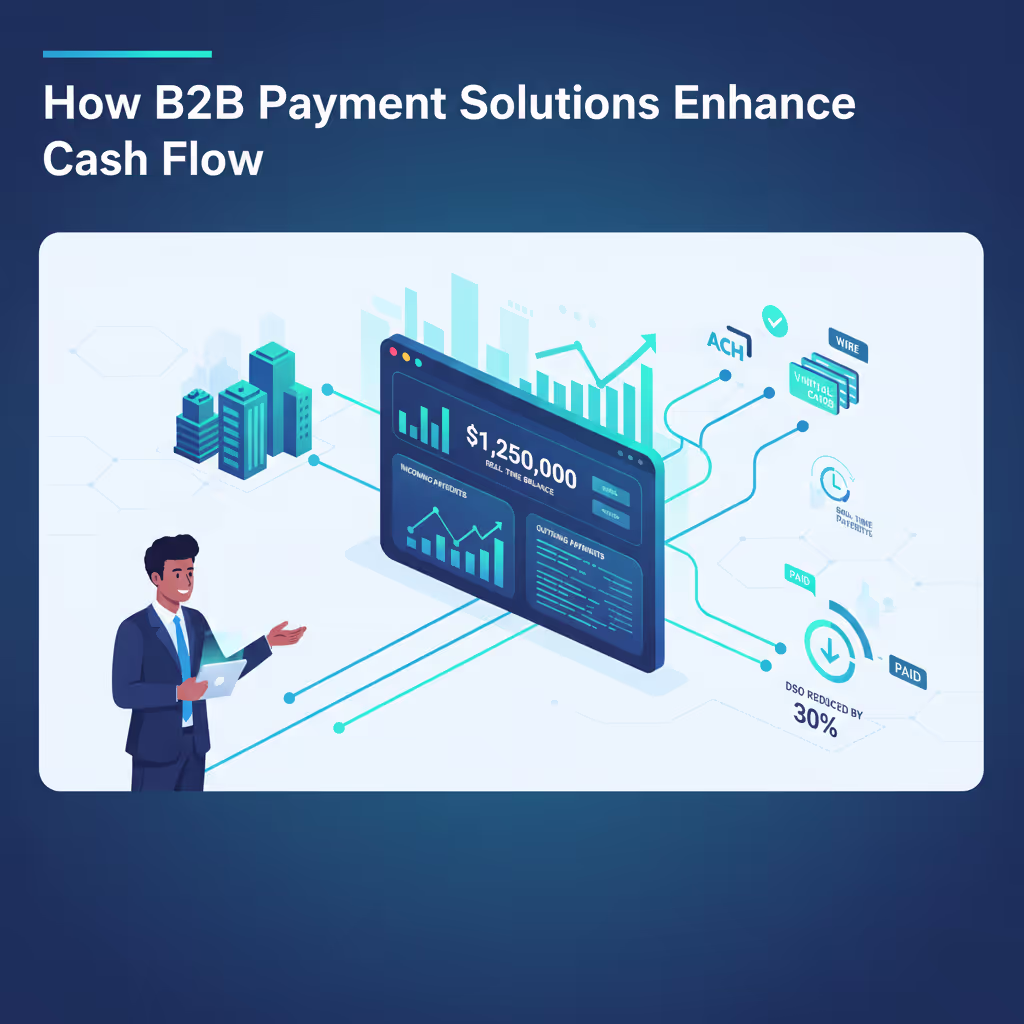
Der Cashflow ist das Lebenselixier jeder Organisation und gut konzipiert B2B-Zahlungslösungen kann es deutlich verbessern. Durch die Optimierung der Art und Weise, wie Geld in das Unternehmen ein- und ausfließt, können Unternehmen sofortige Verbesserungen in Bezug auf Liquidität, Prognosen und finanzielle Widerstandsfähigkeit feststellen.
Unternehmen, die fortschrittliche B2B-Zahlungslösungen nutzen, erleben häufig Verbesserungen B2B-Cashflow durch schnellere Transaktionsverarbeitung und bessere Sichtbarkeit. Wenn Zahlungen effizient verarbeitet werden, sind Gelder früher verfügbar, sodass Unternehmen in den Betrieb reinvestieren, Schulden abzahlen oder strategische Chancen nutzen können. Die Beschleunigung des Inkassos und die intelligentere Verwaltung von Auszahlungen können das Betriebskapital entscheidend verändern.
Die Automatisierung spielt dabei eine zentrale Rolle. Unternehmen können die Verwaltungskosten durch Automatisierung senken B2B-Zahlungsabwicklung und Rechnungsstellung. Die Automatisierung minimiert den Bedarf an manueller Dateneingabe, reduziert Fehler und verschafft den Finanz- und Buchhaltungsteams wertvolle Zeit, um sich auf strategischere Initiativen zu konzentrieren. Diese Reduzierung der Gemeinkosten wirkt sich direkt auf das Geschäftsergebnis aus und macht das Unternehmen profitabler und effizienter.
Für Finanzmanager verbessern eine genaue Zahlungsverfolgung und Berichterstattung ihre Fähigkeit, den Cashflow zu prognostizieren, erheblich. Dank detaillierter Einblicke darüber, wann und wie Zahlungen geleistet werden, können Manager bevorstehende Zu- und Abflüsse erkennen, Ausgaben anpassen und Überraschungen vermeiden. Diese Transparenz unterstützt fundiertere Entscheidungen über Einstellungen, Investitionen, Inventarkäufe und strategische Projekte.
Entscheidungsträger erkennen auch, dass die Integration von B2B-Zahlungslösungen mit Core Buchhaltungssysteme, ERP-Plattformen und Treasury-Tools optimieren die Finanzabläufe. Wenn Zahlungssysteme vollständig integriert sind, werden Aufgaben wie Rechnungserfassung, Bargeldzahlung und Zahlungsabgleich einfacher. Dies entlastet die Buchhaltungsteams und verbessert die Datengenauigkeit im gesamten Unternehmen.
Unternehmen, die effektive B2B-Zahlungsstrategien verfolgen — unterstützt von einem kompetenten B2B-Zahlungsgateway und Dienstleistungen für B2B-Händler—befinden sich häufig in einer stärkeren Finanzlage mit höherer betrieblicher Effizienz. Sie sind besser in der Lage, Zahlungen von einer Vielzahl von Kunden zu akzeptieren, Support internationale und grenzüberschreitende Zahlungen, und managen Sie Risiken. Im Laufe der Zeit tragen diese Fähigkeiten dazu bei, den Weg für nachhaltiges Wachstum und Stabilität in einem zunehmend wettbewerbsintensiven Markt zu ebnen.
Eines der gängigsten Tools in Dienstleistungen für B2B-Händler ist der B2B-Kreditkarte. B2B-Kreditkartenzahlungen sind besonders nützlich, wenn es auf Geschwindigkeit, Komfort und Prämien ankommt. Sie können Unternehmen dabei helfen, Lieferanten schnell zu bezahlen, wiederkehrende Softwareabonnements abzudecken oder die Ausgaben für verteilte Teams zu verwalten und gleichzeitig Punkte oder Cashback zu sammeln.
Kreditkartenzahlungen im B2B-Kontext werden oft schneller abgewickelt als Schecks und bieten möglicherweise einen vorhersehbareren Zeitpunkt als bei einigen anderen Methoden. Diese Geschwindigkeit kann verbessert werden B2B-Cashflow indem die Unsicherheit darüber verringert wird, wann die Mittel eingehen werden. Für Lieferanten kann die Annahme von B2B-Kreditkarten die Anzahl der ausstehenden Verkaufstage (DSO) verkürzen, das Inkassorisiko begrenzen und Kunden, die lieber mit Karten bezahlen, ein besseres Erlebnis bieten.
Die Gebühren für B2B-Kreditkarten sind jedoch in der Regel höher als bei bankbasierten Methoden wie ACH. Interchange- und Bearbeitungsgebühren werden in der Regel als Prozentsatz der Transaktion berechnet, manchmal fallen zusätzliche Gebühren pro Transaktion an. Obwohl spezialisiert Dienstleistungen für B2B-Händler und Level-2/3-Daten können die Kosten senken. Die Akzeptanz von Kreditkarten ist immer noch eine der teureren Zahlungsoptionen. Aus diesem Grund reservieren viele Unternehmen B2B-Kreditkarten für Transaktionen, bei denen die Vorteile — schnellere Zahlung, Prämien oder Kundenpräferenzen — die zusätzlichen Kosten rechtfertigen.
B2B ACH-Zahlungen sind ein weiterer Kernbestandteil der Moderne B2B-Zahlungsabwicklung. ACH-Überweisungen (Automated Clearing House) übertragen Gelder direkt zwischen Bankkonten und eignen sich daher gut für wiederkehrende Zahlungen, Abonnementabrechnungen, Gehaltsabrechnungen und reguläre Lieferantenrechnungen.
Einer der größten Vorteile von B2B-ACH-Zahlungen sind die Kosten. ACH-Gebühren sind in der Regel viel niedriger als die Bearbeitungsgebühren für Kreditkarten. Oft werden sie als Pauschalbetrag pro Transaktion und nicht als Prozentsatz des Gesamtbetrags berechnet. Aus diesem Grund eignet sich ACH ideal für hochwertige Rechnungen und laufende Geschäftsbeziehungen, bei denen die Kostenkontrolle im Vordergrund steht. Im Laufe der Zeit kann die Verlagerung eines Teils Ihres B2B-Zahlungsvolumens von Karten auf ACH die Kosten für Zahlungen erheblich reduzieren.
ACH-Übertragungen bieten im Vergleich zu Papierschecks auch eine bessere Vorhersagbarkeit und Kontrolle. Zahlungen können einfacher geplant, nachverfolgt und abgeglichen werden über B2B-Zahlungsgateway oder integrierte Treasury-Plattform. Diese Vorhersagbarkeit verbessert sich B2B-Cashflow Planung, sodass sowohl Zahler als auch Zahlungsempfänger ihre Bankguthaben effektiver verwalten können. Für viele Finanzteams wird ACH zur Standardmethode für inländische B2B-Zahlungen.
Während beide B2B-Kreditkarten und B2B ACH-Zahlungen spielen eine wichtige Rolle in einem modernen Zahlungsmix. Sie unterscheiden sich deutlich darin, wie die Gebühren strukturiert sind und wie sie sich auf Ihr Geschäftsergebnis auswirken.
Bei B2B-Kreditkartentransaktionen fallen in der Regel prozentuale Interbankengebühren zuzüglich Bearbeitungskosten an. Beispielsweise kann für jede Zahlung eine Gebühr in Höhe von einigen Prozentpunkten des Transaktionsbetrags sowie feste Gebühren pro Transaktion anfallen. Bei großen B2B-Rechnungen können sich diese prozentualen Gebühren schnell summieren. Unternehmen, die stark auf Kartenzahlungen angewiesen sind, können mit höheren Gesamtzahlungskosten rechnen, auch wenn sie Vorteile wie Prämien, Rückbuchungsschutz oder eine verbesserte Kundenzufriedenheit in Anspruch nehmen.
Im Gegensatz dazu B2B ACH-Zahlungen sind in der Regel mit viel niedrigeren, meist Pauschalgebühren verbunden. Anstatt einen Prozentsatz der Transaktion zu zahlen, zahlen Unternehmen häufig eine geringe, feste Gebühr für jede ACH-Überweisung. Diese Struktur macht ACH besonders attraktiv für B2B-Zahlungen mit hohem Dollar, bei denen selbst eine geringe prozentuale Gebühr auf einer großen Rechnung erheblich sein kann. Indem Unternehmen größere Zahlungen an ACH abwickeln und gleichzeitig B2B-Kreditkarten für kleinere oder zeitkritische Transaktionen verwenden, können sie sowohl Kosten als auch Komfort optimieren.
Die richtige Strategie ist selten Alles-oder-Nichts. Ein ausgewogener Ansatz — ermöglicht durch einen kompetenten B2B-Zahlungsgateway und nachdenklich Dienstleistungen für B2B-Händler—ermöglicht es Unternehmen, mehrere Zahlungsoptionen anzubieten und Kunden gleichzeitig zu den Methoden zu bewegen, die Cashflow- und Margenziele am besten unterstützen. Im Laufe der Zeit kann diese Kombination die Rentabilität verbessern, die Beziehungen stärken und allen Parteien ein reibungsloseres Zahlungserlebnis bieten.
Verstehen und Optimieren B2B-Zahlungen kann die finanzielle Gesundheit Ihres Unternehmens tiefgreifend beeinflussen. Von der Aufrechterhaltung der Stärke B2B-Cashflow Um sich in komplexen regulatorischen und Compliance-Umgebungen zurechtzufinden, bietet die richtige Kombination aus B2B-Zahlungsabwicklung, Händlerservices und Gateways klare Vorteile.
B2B-Zahlungen unterscheiden sich von Verbraucherzahlungen in Bezug auf Transaktionsvolumen, Komplexität, Risiko und regulatorische Anforderungen. Indem Sie effektiv wählen B2B-Zahlungsgateways, nutzt Tools wie B2B-Kreditkarten und B2B ACH-Zahlungenund durch die Integration von Systemen zwischen Buchhaltungs- und ERP-Plattformen können Unternehmen die Effizienz steigern, Kosten senken und eine bessere Kontrolle über den Cashflow erlangen.
Überlegen Sie sich bei der Bewertung Ihrer eigenen Zahlungsstrategie, welcher Mix aus Methoden und Technologien Ihr Wachstum und Ihre Widerstandsfähigkeit am besten unterstützt. Je mehr Sie sich heute mit der B2B-Zahlungsabwicklung befassen, desto besser wird Ihr Unternehmen in der Lage sein, sich anzupassen, wettbewerbsfähig zu sein und in den kommenden Jahren erfolgreich zu sein.
B2B-Zahlungen beziehen sich auf Transaktionen zwischen zwei Unternehmen. Im Gegensatz zu Verbraucherzahlungen sind bei diesen Transaktionen häufig größere Summen erforderlich, und es können zusätzliche Dienstleistungen wie Rechnungsstellung, Bestellungen und erweiterte Zahlungsbedingungen erforderlich sein. B2B-Zahlungen können über verschiedene Methoden wie Überweisungen, Schecks, ACH-Zahlungen oder spezielle Zahlungsgateways abgewickelt werden. Effiziente B2B-Zahlungsprozesse sind entscheidend für die Aufrechterhaltung eines gesunden Cashflows und solider Geschäftsbeziehungen.
Ein B2B-Zahlungsgateway ist eine Technologielösung, die elektronische Transaktionen zwischen Unternehmen erleichtert. Im Gegensatz zu Zahlungsgateways für Verbraucher wickeln B2B-Gateways größere Mengen und komplexere Prozesse wie Rechnungsstellung und Massenzahlungen ab. Es unterstützt Methoden wie B2B-Kreditkarten, B2B-ACH-Zahlungen, Überweisungen und virtuelle Karten und kümmert sich gleichzeitig um Verschlüsselung, Autorisierung und Abrechnung hinter den Kulissen. Sie sind auf die spezifischen Bedürfnisse von Unternehmen zugeschnitten, einschließlich Unterstützung mehrerer Währungen und maßgeschneiderter Berichterstattung. Diese Gateways gewährleisten sichere, effiziente und zuverlässige Transaktionen und sind daher für moderne Unternehmen, die regelmäßig mit anderen Unternehmen Handel treiben, unverzichtbar.
Ja, viele moderne Zahlungsplattformen sind so konzipiert, dass sie beide unterstützen B2B-Zahlungen und Verbraucherzahlungen (B2C) auf derselben zugrunde liegenden Infrastruktur. In der Praxis bieten sie zusätzliche Funktionen für B2B-Anwendungsfälle — wie Rechnungsstellung, maßgeschneiderte Zahlungsbedingungen, höhere Transaktionslimits und Integrationen mit ERP- oder Buchhaltungssystemen — und ermöglichen es Ihnen dennoch, bei Bedarf Karten- oder digitale Geldbörsenzahlungen im Verbraucherstil zu akzeptieren. Diese Flexibilität hilft Unternehmen dabei, all ihre Zahlungsströme über ein einheitliches System zu verwalten Dienstleistungen für B2B-Händler stapeln.
Viele digitale Geldbörsen und Online-Zahlungsplattformen können verwendet werden für B2B-Zahlungsabwicklung, insbesondere für kleinere Rechnungen, Dienstleistungen oder grenzüberschreitende Transaktionen. Unternehmen können diese Tools verwenden, um Rechnungen zu versenden, Online-Zahlungen zu akzeptieren oder Abonnements zu verwalten, oft zusammen mit traditionelleren Methoden wie ACH und Überweisungen. Bei größeren, wiederkehrenden B2B-Transaktionen verlassen sich Unternehmen jedoch im Allgemeinen stärker auf B2B ACH-Zahlungen, Überweisungen und kartenbasierte Lösungen, die in ein spezielles B2B-Zahlungsgateway integriert sind, um eine bessere Kontrolle, niedrigere Gebühren und eine stärkere Backoffice-Integration zu gewährleisten.
Wenn Sie sich für CARDZ3N entscheiden, können Sie sich auf das konzentrieren, was am wichtigsten ist — das Wachstum Ihres Unternehmens, während sie sich um Ihre Zahlungsabwicklung kümmern. (702) 623-3528, 4262 Blue Diamond Rd Bldg 102 Ste 191 Las Vegas, NV 89139
Jedes Händler-Setup ist anders. Die richtige Lösung hängt von Ihrer Branche, Ihren Vertriebskanälen, der durchschnittlichen Transaktionshöhe und Ihrer Chargeback-Historie ab. Die Zahlungsexperten von CARDZ3N prüfen diese Details gemeinsam mit Ihnen und vermitteln Ihr Unternehmen an die passende Sponsorbank, das passende Gateway und die richtigen Risiko-Tools, ob Sie online, im Laden, per Rechnung oder im Abonnement verkaufen.
Wir arbeiten mit Händlern in den USA, Kanada, Großbritannien und der EU, darunter Hochrisiko-, B2B- und schnell wachsende Unternehmen, die klassische Zahlungsdienstleister oft ablehnen. Wenn Sie eine zweite Meinung zu Ihren aktuellen Gebühren, Vertragsbedingungen oder Genehmigungsoptionen wünschen, kontaktieren Sie unser Team für eine kostenlose und unverbindliche Prüfung.
Joshua Benedetti is the CEO of CARDZ3N, a Las Vegas-based merchant services provider specializing in high-risk payment processing and B2B payment technology.
Joshua Benedetti on LinkedInCARDZ3N Inc hat seinen Hauptsitz in Las Vegas, Nevada, und bietet Händlerdienstleistungen für Unternehmen, die von klassischen Zahlungsdienstleistern abgelehnt werden. Gestützt auf erstklassige Sponsorbanken und Prozessoren verbindet CARDZ3N institutionelle Stabilität mit der Geschwindigkeit eines spezialisierten Teams, das Hochrisikobranchen versteht. Zu den Leistungen gehören Underwriting und Platzierung von Hochrisiko-Konten, Gateway-Lösungen über die führenden Gateway-Plattformen, POS-Integrationen, ACH- und Scheckabwicklung, Chargeback-Prävention mit ChargebackZ3N sowie Unternehmensfinanzierung und Betriebskapital. Die Sparte AerospacePay unterstützt OEMs, MROs, FBOs und Instandhaltungsbetriebe mit B2B- und B2G-Zahlungsabwicklung. CARDZ3N betreut Händler in den USA, Kanada, Großbritannien und der EU.
Machen Sie den ersten Schritt zum Erfolg und vereinbaren Sie Ihre kostenlose Beratung mit CARDZ3N